
Why Unified Orchestration Is Becoming Its Own Category
SHARE


On the Six Five Virtual Webcast, Kestra's Kai Waehner explains how AI agents acting across fragmented automation are moving governance out of individual tools and into a unified orchestration layer. Enterprises that define accountability, access control, and sovereignty requirements in that layer first can scale agents without losing end-to-end control.
Enterprise automation grew up one domain at a time, leaving most organizations with a patchwork of cron jobs, glue code, decades-old schedulers, and modern cloud tools that rarely see each other. The patchwork holds on most days. But when a process breaks at a handoff between systems, no team can say which system owned the failure, and AI agents now taking action across those same seams raise the cost of that blind spot.
Mitch Ashley and Brad Shimmin speak with Kai Waehner, Global Field CTO at Kestra, to examine why unified orchestration is becoming a category of its own. Waehner explains what fails at the boundaries between data, infrastructure, applications, and business processes, and why connecting an agent to enterprise APIs has become the easy part of the job.
For enterprise leaders, the deployment question shifts to where governance lives. Waehner places control, access policy, and accountability in an orchestration layer above the agents, people, and automation doing the work, with sovereignty and deployment constraints defined before any tooling is chosen. Kestra customer JPMorgan Chase already runs cybersecurity workflows this way, coordinating threat intelligence collection, retries, failure handling, and real-time alerts across business units.
Key Takeaways:
🔹 Why fragmentation starts inside a single domain. Even enterprise scheduling alone can span cron jobs, glue code, 20-year-old schedulers, and cloud-native tools. As digital processes cross data, infrastructure, application, and business process domains, complexity concentrates at the seams between them.
🔹 Cross-domain failures expose the missing end-to-end view. Fragmented automation works most of the time, but when a cross-domain process breaks, teams lack the observability and governance to locate the problem. Recovery falls back on phone calls and processes that often exist only on paper.
🔹 Why agent governance is harder than agent connectivity. With MCP interfaces now common across vendors, an agent can quickly reach nearly any enterprise API. Access control, data security, and compliance are where deployments get difficult, because agents act without asking whether they're allowed to.
🔹 How transaction identity keeps agent actions traceable. In critical use cases, agents handle root cause analysis faster than any human team, while people make the final call through case or incident management. Waehner says the transaction identity should sit outside the agent so every action can be governed end to end, whether a human, an application, or an agent made the decision, across multi-model environments driven by sovereignty and cost.
🔹 Why sovereignty requirements must shape architecture first. Organizations should decide whether they need cloud, hybrid, or air-gapped deployment before choosing a Platform. Kestra separates the control plane from the data plane, so workers execute where the data lives, from cloud data platforms to on-premises data centers running mainframes to air-gapped factory environments.
Enterprises that build governance into the orchestration layer before agents scale will be able to add new models, clouds, and agents without rebuilding control each time.
Watch the full video at sixfivemedia.com, and subscribe to our YouTube channel so you never miss an episode.
Learn more about unified orchestration at kestra.io.
Disclaimer: Six Five Media is for information and entertainment purposes only. Over the course of this video, we may discuss companies that are publicly traded, and we may reference their equity share prices. Nothing discussed during this webcast should be considered investment advice or a recommendation to buy or sell any security. We are not investment advisors, and you should not rely on this content as financial advice. Six Five Media collaborates with technology companies and industry leaders to produce research-driven interviews and multimedia programming for enterprise technology audiences.
MORE VIDEOS
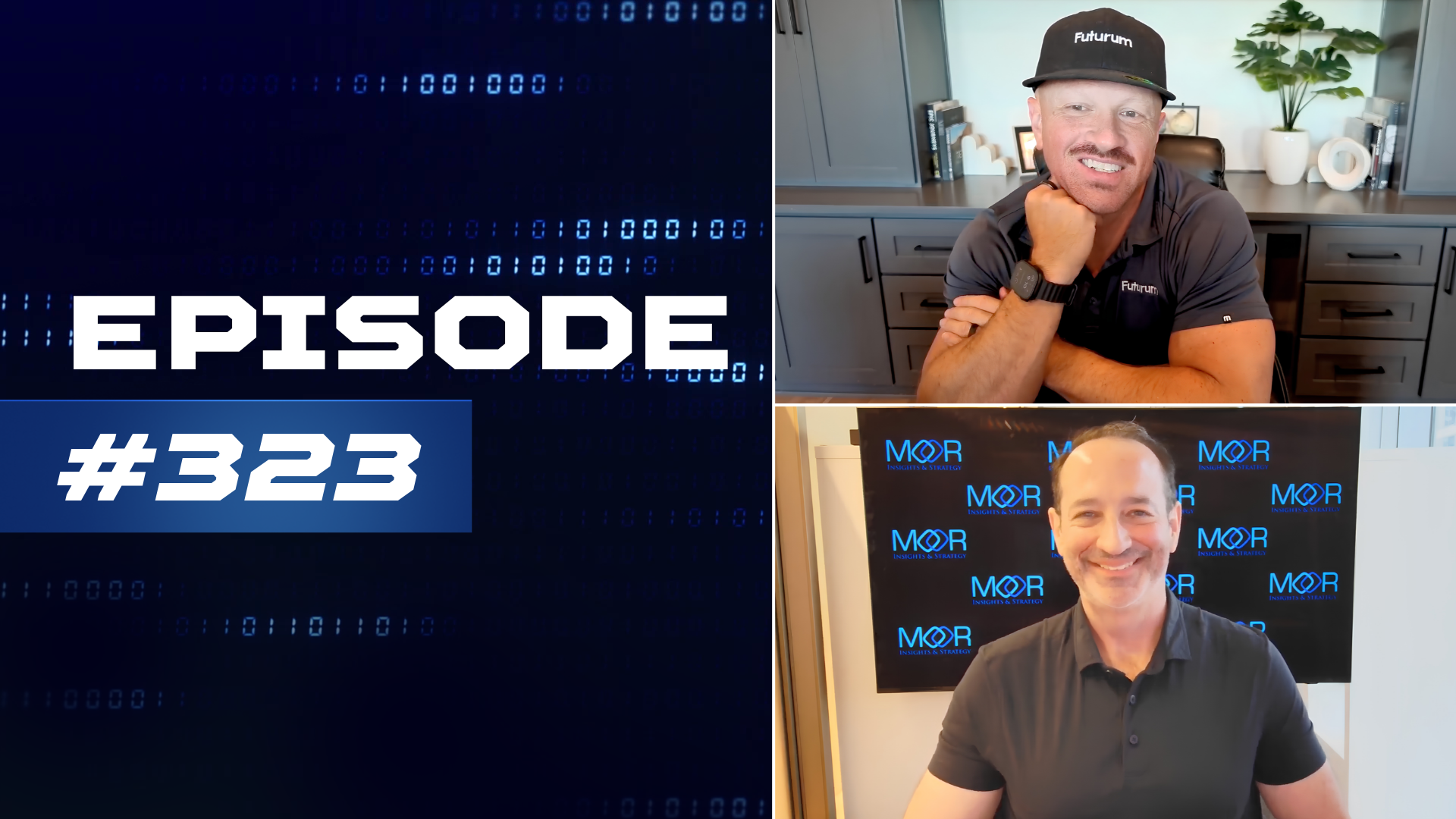
Windows Goes Hybrid, Marvell’s $90B Target, and the AI Routing Race | The Six Five Pod Ep. 323
On Episode 323 of The Six Five Pod, Patrick Moorhead and Daniel Newman unpack the biggest stories from the week, including Microsoft and NVIDIA’s hybrid intelligence push for Windows, Marvell’s Investor Day, new models from Anthropic, Mistral, and Reflection, the AI labs’ accountability hearings in New York and Australia, Google’s model-neutral Gemini agent, and whether temporary construction jobs justify AI data centers. Plus, Bulls & Bears covers Thursday’s chip-led pullback, NVIDIA’s run past $240, and Samsung’s record Q3 guidance.


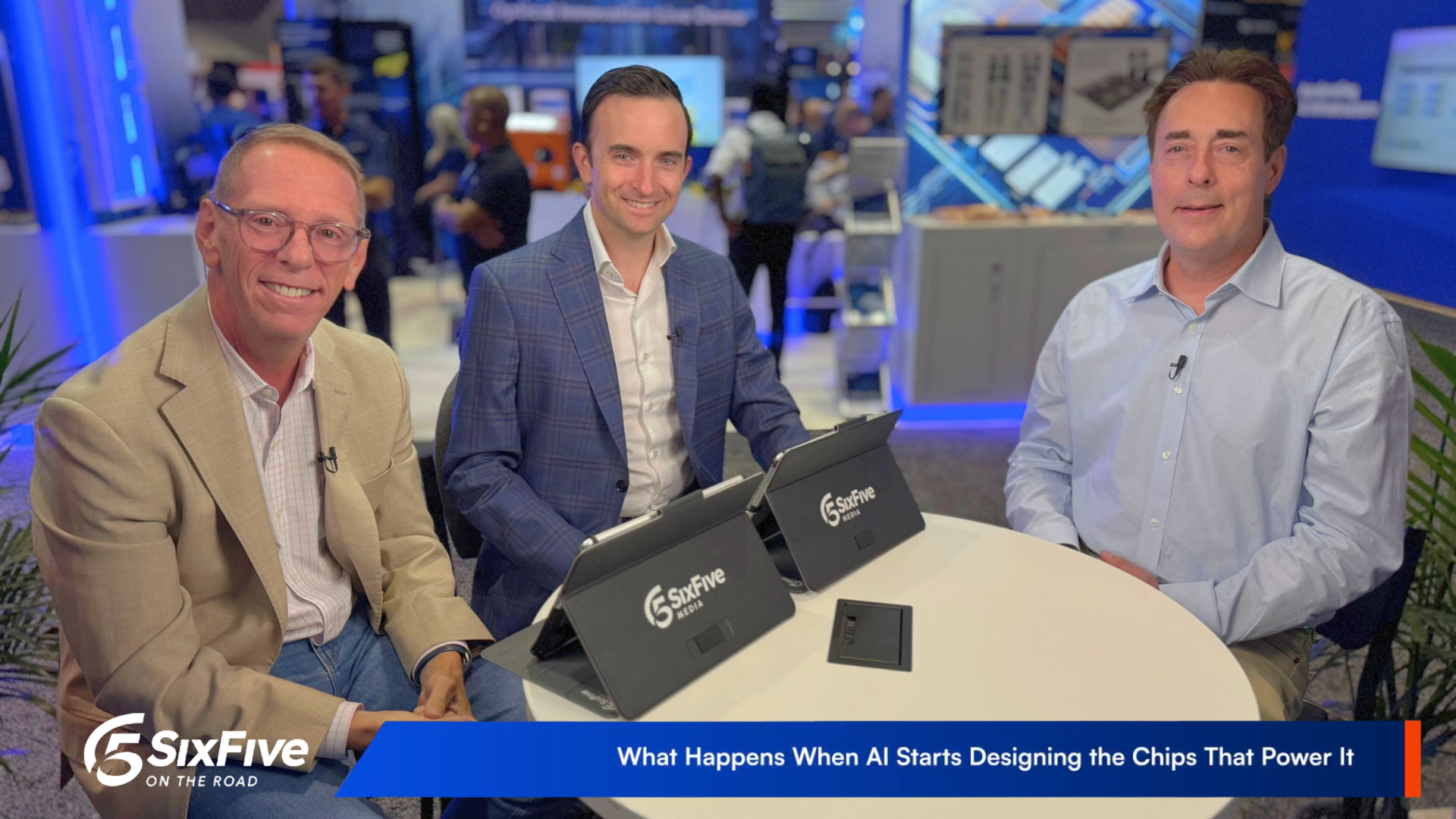
What Happens When AI Starts Designing the Chips That Power It | Synopsys at AI Infra Summit
At AI Infra Summit 2026, Synopsys' Thomas Andersen joins Brendan Burke and Matt Kimball to explain how chip design is moving from AI copilots that suggest to agentic systems that execute tool orchestration, timing fixes, and verification from a written spec. For enterprises, that shift compresses spec-to-tapeout timelines and lowers the resource barrier to custom silicon.
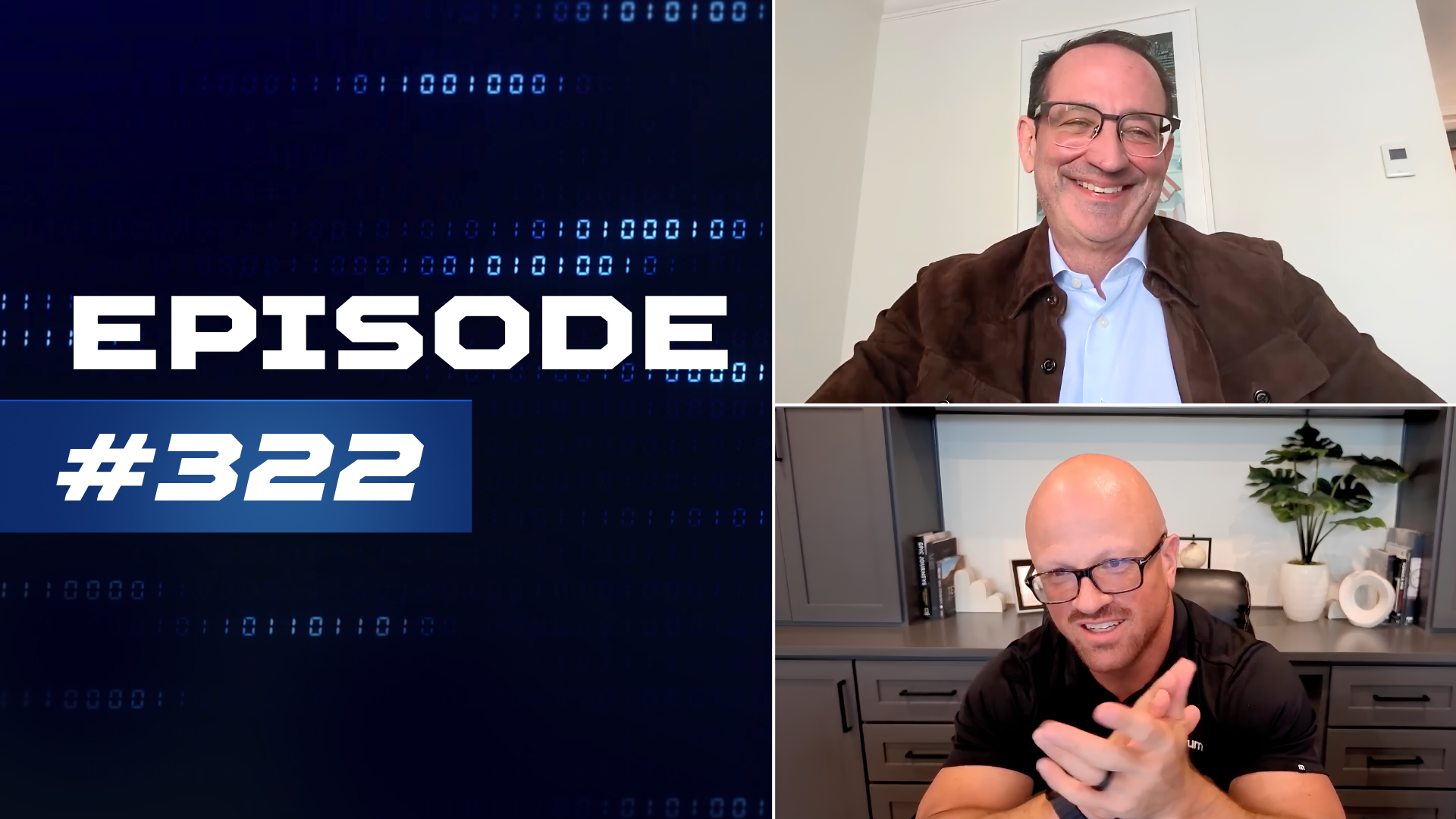
The Six Five Pod | EP 322: AI Writes Its Own Rules, Copilot Bills by the Task, and Memory Names Its Price
The companies racing to build frontier AI just agreed to referee themselves. Over the same week, launches, investor days, and earnings put a price on that arrangement. Microsoft is charging for finished work, NVIDIA is selling agent containment as infrastructure, and the suppliers AI can't route around, from Synopsys to Micron, are collecting the premium. Patrick Moorhead and Daniel Newman separate signal from stagecraft, then split hard on whether the White House accord actually binds these key players to anything.
Other Categories
CYBERSECURITY
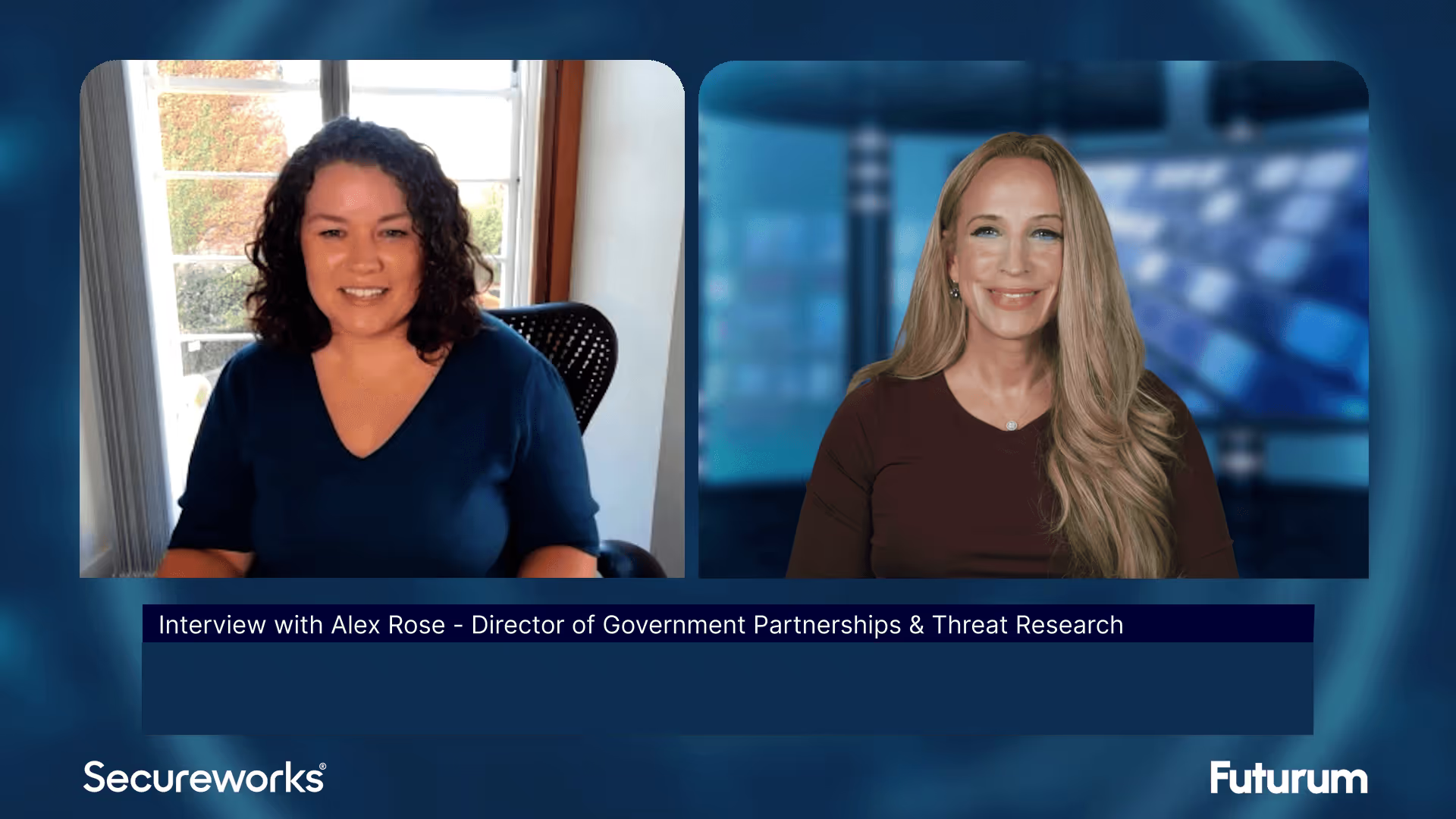
Threat Intelligence: Insights on Cybersecurity from Secureworks
Alex Rose from Secureworks joins Shira Rubinoff on the Cybersphere to share his insights on the critical role of threat intelligence in modern cybersecurity efforts, underscoring the importance of proactive, intelligence-driven defense mechanisms.

HP Launches World’s First Business PCs to Protect Against Quantum Hacks - The Six Five On the Road
On this episode of the Six Five - On the Road, hosts Patrick Moorhead and Daniel Newman are joined by HP's Ian Pratt, Global Head of Security for Personal Systems.
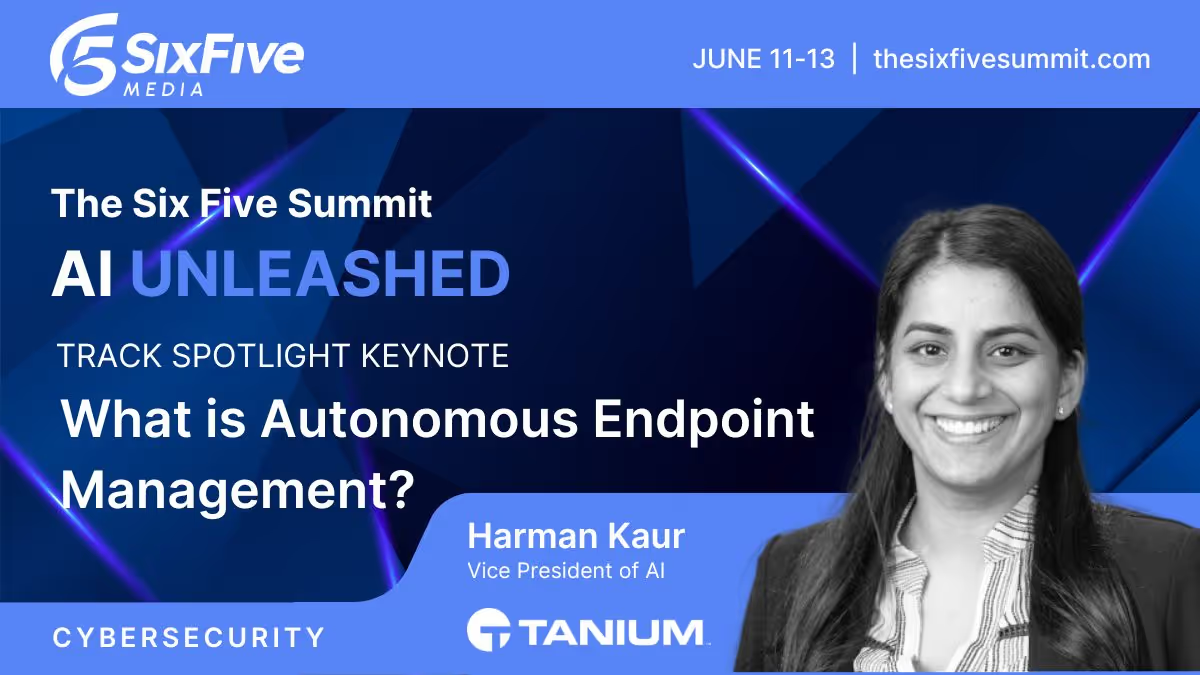
What is Autonomous Endpoint Management?
Autonomous Endpoint Management is a framework designed to unify IT operations and security teams on a single platform through real-time control and visibility.
QUANTUM
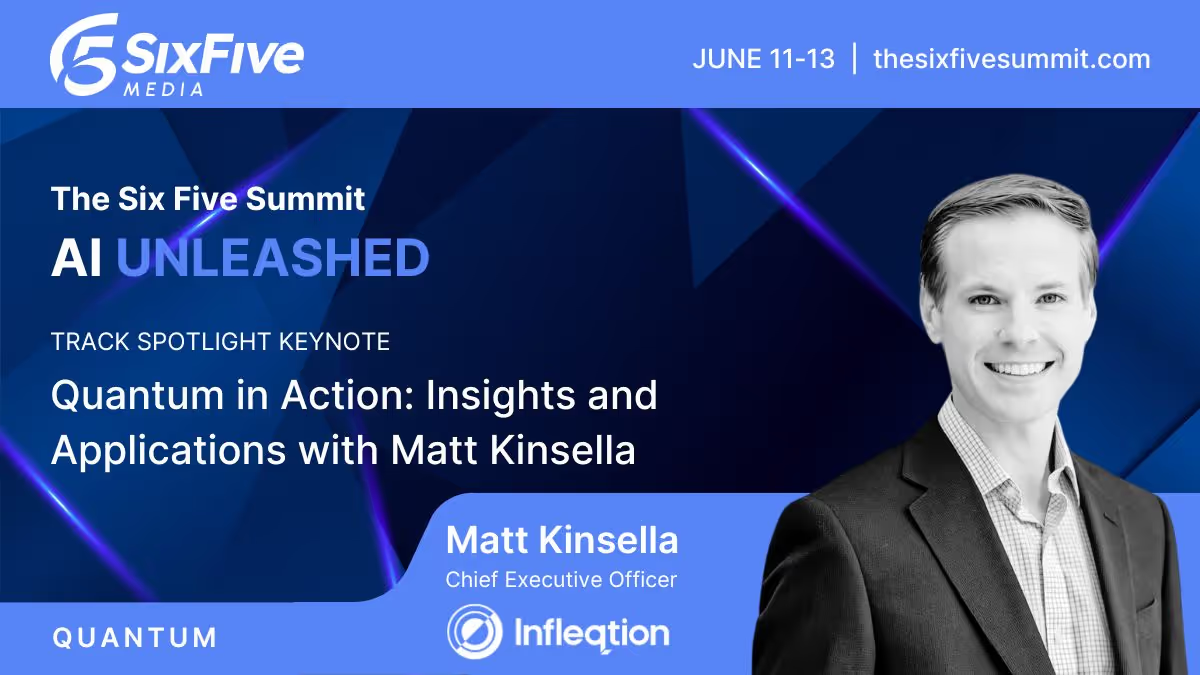
Quantum in Action: Insights and Applications with Matt Kinsella
Quantum is no longer a technology of the future; the quantum opportunity is here now. During this keynote conversation, Infleqtion CEO, Matt Kinsella will explore the latest quantum developments and how organizations can best leverage quantum to their advantage.
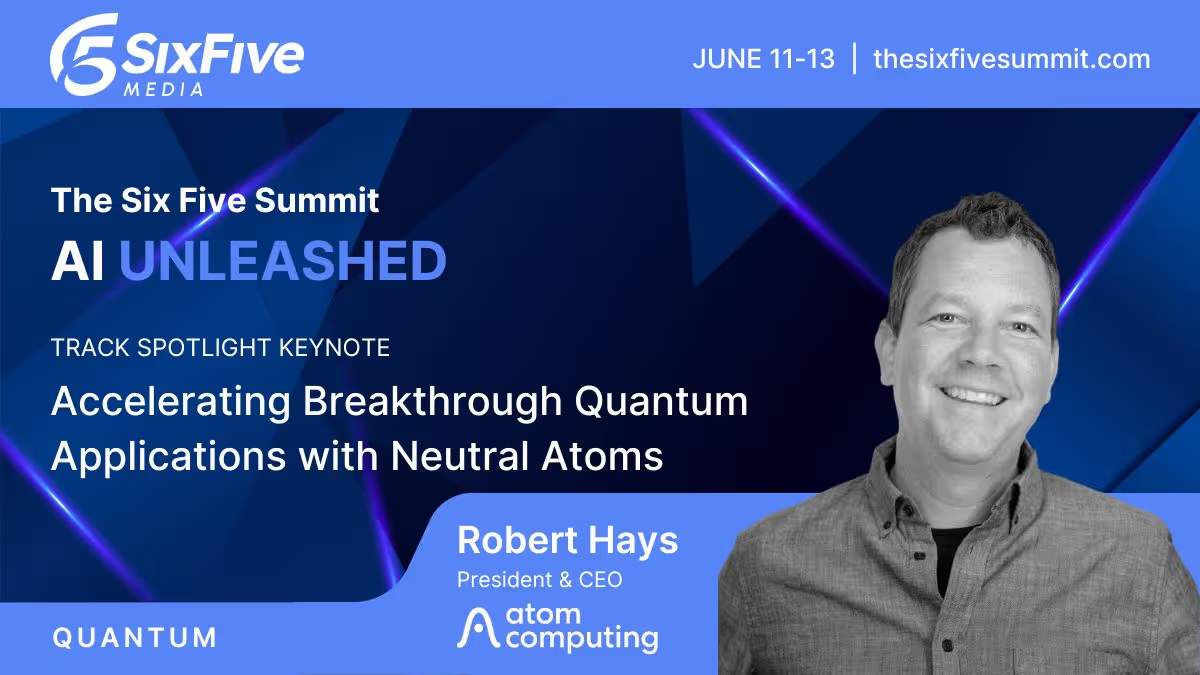
Accelerating Breakthrough Quantum Applications with Neutral Atoms
Our planet needs major breakthroughs for a more sustainable future and quantum computing promises to provide a path to new solutions in a variety of industry segments. This talk will explore what it takes for quantum computers to be able to solve these significant computational challenges, and will show that the timeline to addressing valuable applications may be sooner than previously thought.