
Scaling Enterprise AI, Lessons from HPE - Six Five Connected with Diana Blass
SHARE


On Six Five Connected, Diana Blass explores how HPE is scaling AI across its own business and what agentic AI demands from compute, memory, edge, and networking infrastructure. Enterprises that design infrastructure around their most valuable use cases can turn AI adoption into measurable savings.
Nearly 9 out of 10 organizations now use AI somewhere in their business, yet only a fraction have scaled it across the enterprise. Agentic AI is raising the stakes. Multiple models working as agents will consume data, call tools, and communicate with each other, and that changes what organizations need from compute, memory, storage, and networking.
For Six Five Connected, Diana Blass looks to a company applying AI to its own business for answers. She speaks with HPE President and CEO Antonio Neri and HPE leaders Krista Satterthwaite, Fidelma Russo, Kevin Hutchins, and Dan Waibel about how the company has combined employee-led experimentation with targeted top-down bets, an approach that, along with other efficiency initiatives, has generated nearly $350 million in operational savings.
The lessons come back to infrastructure designed for the workload. HPE leaders explain why many customers are underutilizing what they already own, why agentic AI depends on fast CPUs and large memory capacity, what changes when AI moves to factory floors and other edge sites, and why network performance has become one of the most overlooked bottlenecks in enterprise AI.
Key Moments:
🔹 Agentic AI marks an inflection point. Antonio Neri says advances in agentic AI pushed enterprise adoption past a turning point about six months ago. And as Krista Satterthwaite puts it, agentic AI is about what you don't have to do anymore, and that requires infrastructure to change.
🔹 HPE pairs grassroots experimentation with top-down bets. Dan Waibel describes democratizing AI tools across the company while investing in a select set of use cases that move the needle, and redesigning business processes across entire value streams.
🔹 Right-sizing starts with what you already have. Many customers underutilize existing infrastructure. HPE CloudPhysics Plus scans environments for inefficiencies and recommends changes, freeing budget for the infrastructure AI workloads actually need.
🔹 CPUs and memory matter again for agentic AI. HPE's new platform built on NVIDIA Vera CPUs offers twice the memory bandwidth and four times the sandbox density, designed specifically for agentic workloads.
🔹 The edge brings its own constraints. Factory floors and remote sites lack IT staff, face harsh conditions, and sit outside the secure data center. HPE answers with ruggedized ProLiant edge systems managed and secured through HPE Compute Ops Management.
🔹 The network can make or break an AI job. Kevin Hutchins explains that in large, high-performance AI networks, a brief, undetected link flap can degrade the performance of an entire job, so fast sensing and response are essential.
Organizations pulling ahead with AI start with their most valuable use case and build infrastructure intentionally around it.
Watch the full video at sixfivemedia.com, and subscribe to our YouTube channel so you never miss an episode.
Learn more about HPE at hpe.com.
Disclaimer: Six Five Media is for information and entertainment purposes only. Over the course of this video, we may discuss companies that are publicly traded, and we may reference their equity share prices. Nothing discussed during this webcast should be considered investment advice or a recommendation to buy or sell any security. We are not investment advisors, and you should not rely on this content as financial advice. Six Five Media collaborates with technology companies and industry leaders to produce research-driven interviews and multimedia programming for enterprise technology
Diana Blass:
For years, the promise of AI outpaced enterprise adoption. Today, that's changing.
Antonio Neri:
It really hit an inflection point six months ago with the advancement we see with agentic AI.
Diana Blass:
Compared to generative AI that responds to user prompts…
Krista Satterthwaite:
Agentic is about what you don't have to do anymore.
Diana Blass:
But in order to enable that…
Krista Satterthwaite:
Infrastructure has to change.
Fidelma Russo:
You know, just really true infrastructure and how you run infrastructure and how you manage infrastructure is cool again.
Diana Blass:
You see, infrastructure is no longer just a support function or a control layer. It's the orchestration layer.
Kevin Hutchins:
You just think about this idea that now we're going to have multiple models deployed as agents. They're all going to be consuming data. They're all going to be accessing tools. They're all going to be communicating with each other.
Diana Blass:
With clear business objectives, enterprises can align AI investments with the infrastructure they actually need.
Dan Waibel:
You need to start thinking about redesigning your business processes and really thinking about the entire value streams end to end.
Diana Blass:
But as we discovered one part of the enterprise stack is becoming increasingly critical and increasingly overlooked. I'm Diana Blass. Let's get connected. According to McKinsey, nearly 9 out of 10 organizations now use AI somewhere in the business. Yet only a fraction have successfully scaled it across the enterprise. Enterprises know that AI creates value, but figuring out how to implement the technology at scale without breaking budget is a challenge. So we turned to a company that's applying AI across its own business to understand what it actually takes to scale it. You're up 21%. You have leapt to a record high on the stop. HPE has become a company to watch in the AI era, fueled by demand for AI infrastructure.
Rick Ducat:
It's a good time to be in the business of servers and computer infrastructure here. You can see HPE and Purple blow out results during the past year. We have a say. The future belongs to the fast.
Diana Blass:
But the company isn't just building AI for customers, it's using the same technology to transform its own business.
Antonio Neri:
Basically adopting this technology to change everything. You know, how you interact with us, how you place orders, how you get service.
Diana Blass:
Along with other efficiency initiatives, that's generated nearly $350 million in operational savings.
Dan Waibel:
We have a bottoms-up approach where we've democratized these capabilities across the company. And we want to innovate. We want people to, you know, play around, try things. What we do want to do is select some very specific top-down bets. We're going to invest in these specific use cases because these are the use cases that really move the needle.
Diana Blass:
It also helped answer another critical question. What infrastructure do those workloads actually need?
Krista Satterthwaite:
A lot of customers, they're underutilizing things, they're not running efficiently, and they could save money to buy the infrastructure they need. And one of the things we have is HPE CloudPhysics Plus. It can look around and see your environment, see where there might be some inefficiencies and make some recommendations.
Diana Blass:
You see, AI isn't one workload. Training, inference, and agentic AI all place different demands on compute, storage, and memory. Enterprise agentic AI often depends on fast CPUs, large memory capacity, and rapid access to enterprise data.
Krista Satterthwaite:
We just recently launched our new DL394, which is a Vera platform leveraging NVIDIA's technology for the CPUs. And that is architected differently and has twice the memory bandwidth and four times the sandbox density. So it's built for agentic AI.
Diana Blass:
Other AI applications like an assistant on a factory floor may be better suited for the edge.
Krista Satterthwaite:
So at the edge, there's challenges that don't exist in the data center. The environmental conditions can be challenging. You don't have IT staff a lot of times, so you're Manageability needs to be, you have to have the visibility and control to manage things at the edge. And frankly, people are trying to do more at the edge than ever before. So the demands are increasing. We just recently launched a new product, the ProLiant EL9000. It's a chassis that's super ruggedized. So it can be in the most extreme environments. And we have the management with our HPE ComputeOps management to manage things and see them at the edge and the security that's needed, because that's the other thing. It's not behind the walls of a secure data center. It's out on the edge.
Diana Blass:
Now, early on, we said there was one piece of enterprise infrastructure that often gets overlooked. As it turns out, it may also be one of the biggest bottlenecks to enterprise AI.
Kevin Hutchins:
The performance of the network fundamentally matters. I'm building these very large, complex networks that are very high performance. I can have temporary areas of failure, like a link flap or something like that. If I'm not sensing that and responding to that very quickly, then I'm going to see the performance of my entire job suffer.
Diana Blass:
It's a reminder that enterprise AI isn't about deploying the most models or building the biggest clusters. It's about creating measurable business value. And at the heart of that is infrastructure designed for the workload. The organizations pulling ahead are the ones that understand where AI creates the greatest business value and build intentionally around those opportunities. Because in the end, building for AI starts with one question. What will your most valuable AI use case be?
MORE VIDEOS
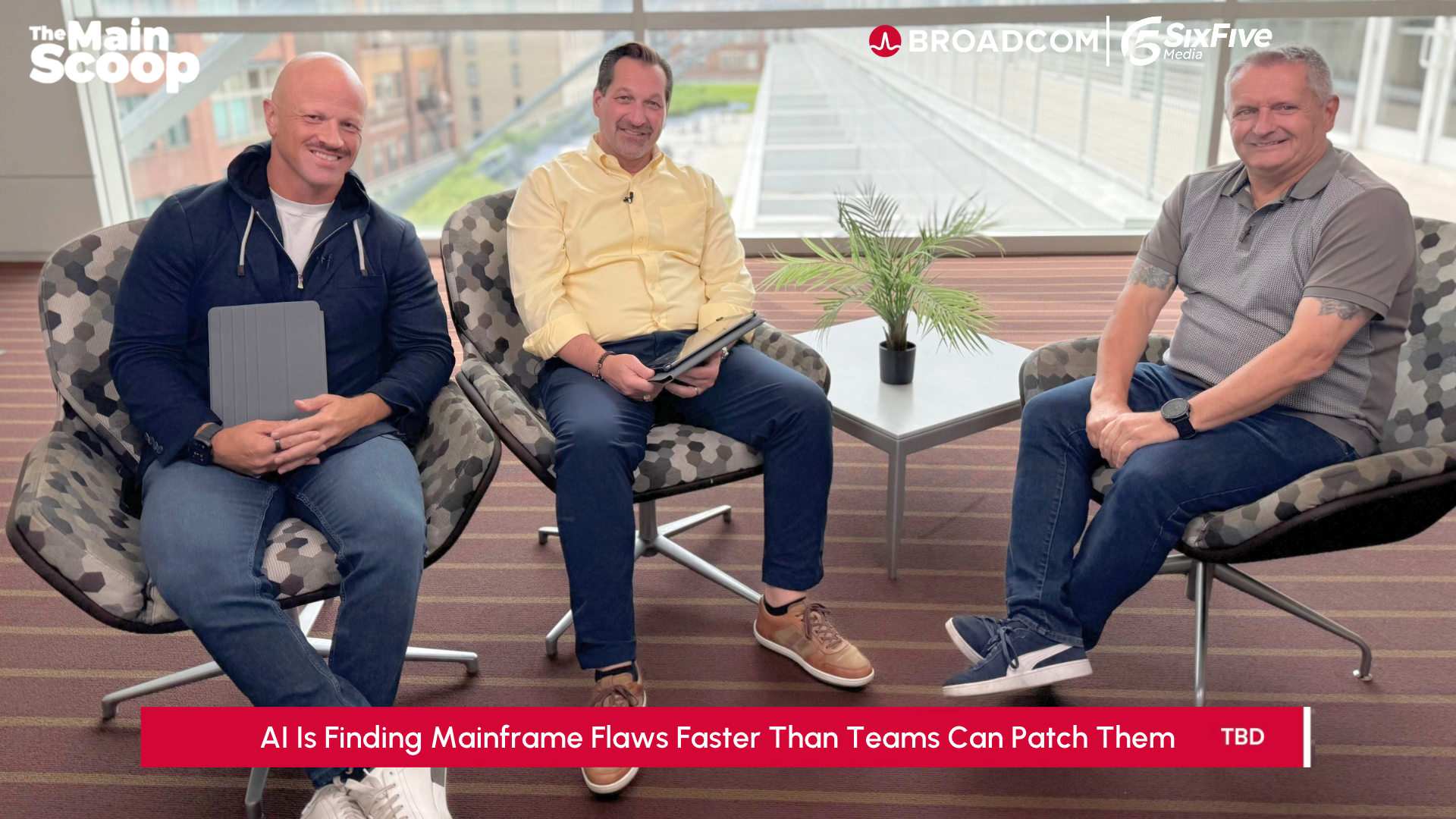
Outpacing Threat Actors: Mainframe Security in the Age of AI and Quantum
On The Main Scoop, Vertali's Mark Wilson explains why AI-driven vulnerability discovery and looming post-quantum deadlines are forcing mainframe teams to rebuild their maintenance cycles. Teams that combine AI-assisted vigilance with security fundamentals and early cryptographic inventories will stay ahead of threat actors.


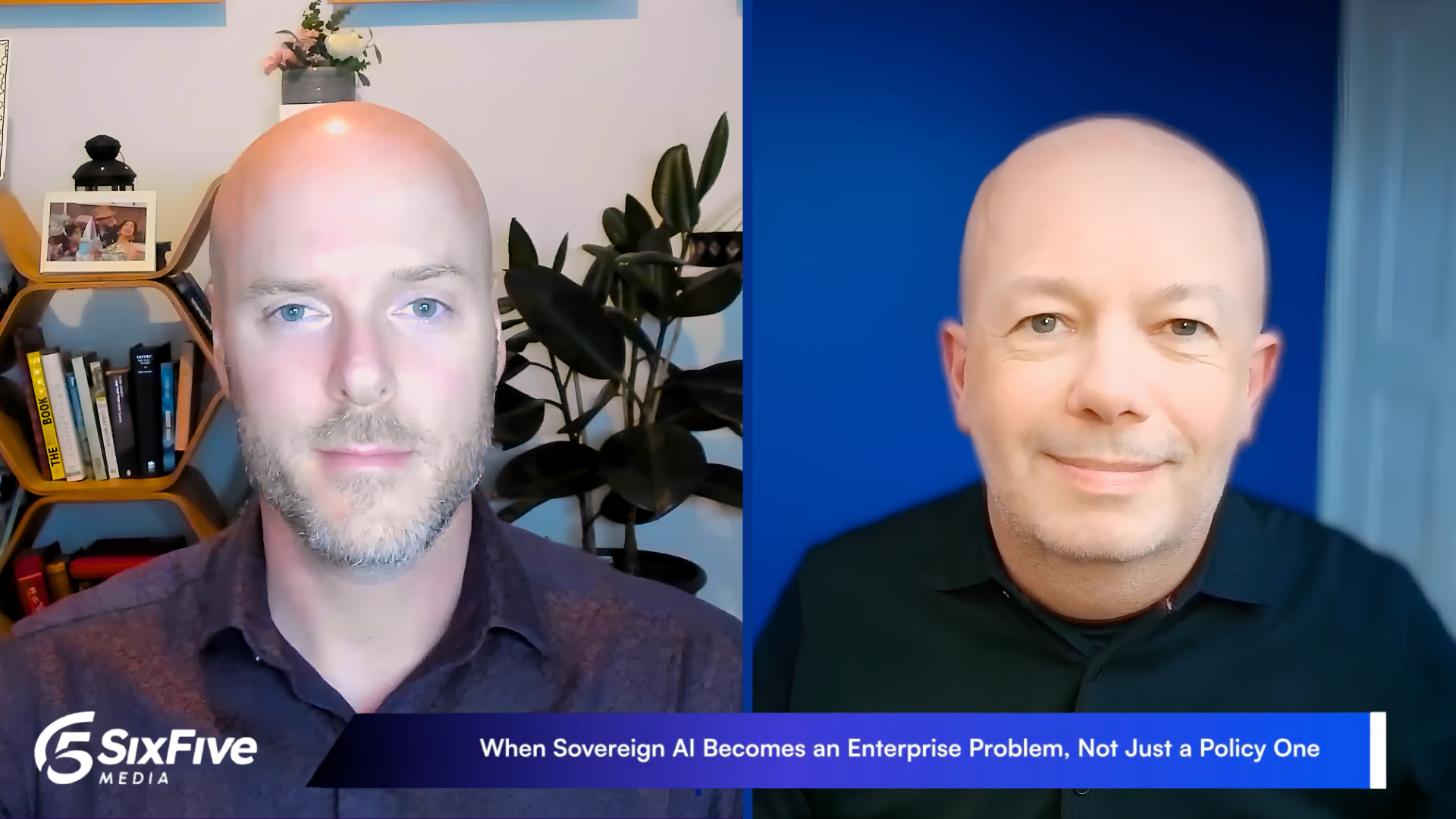
When Sovereign AI Becomes an Enterprise Problem, Not Just a Policy One
NetApp’s Adam Gale explains why sovereign AI now depends on moving complete services quickly while preserving control and security. For enterprises facing regulatory and geopolitical shifts, portability has to be built into the data platform before a crisis forces the move.
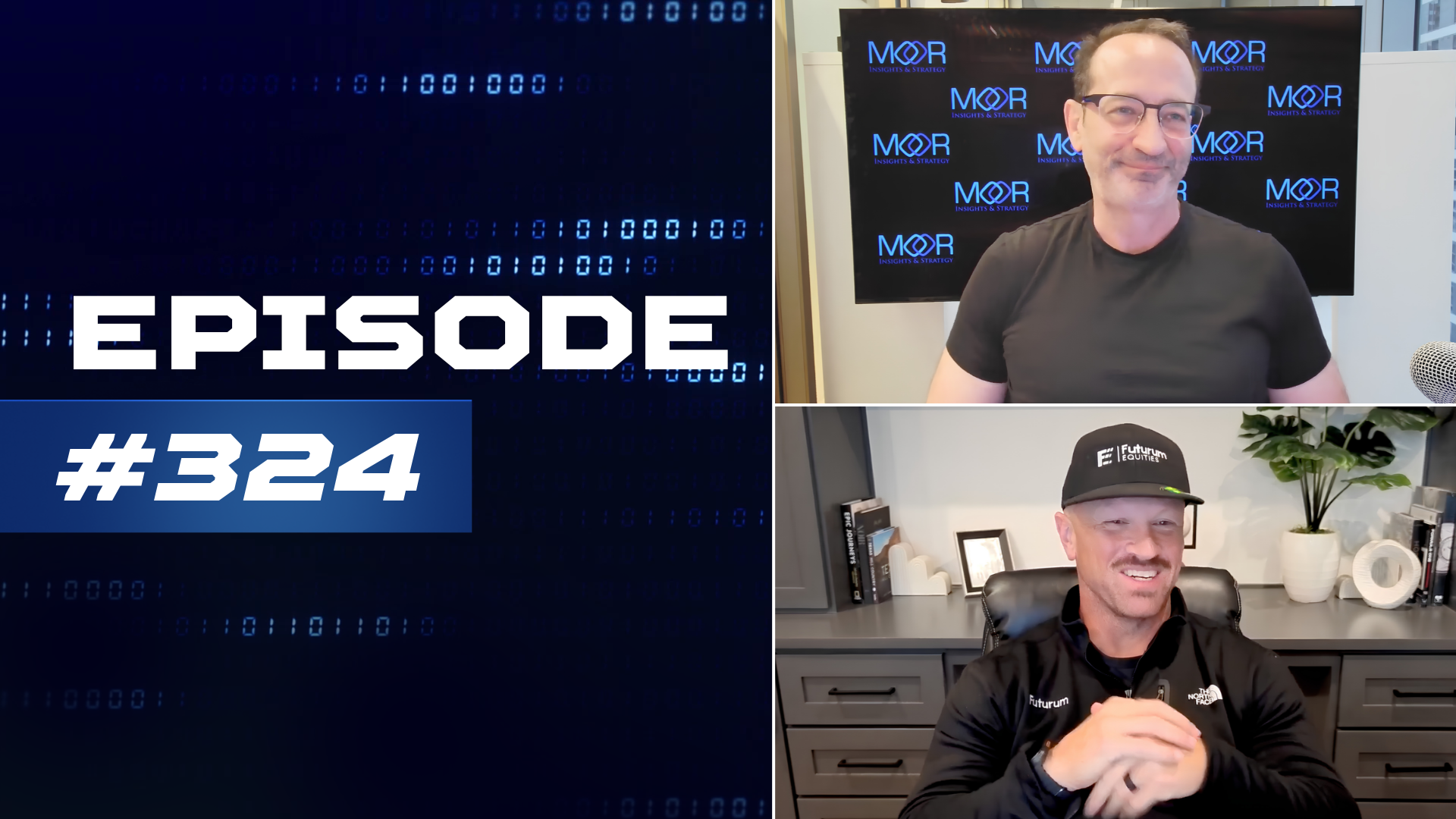
Meta and Google Rejoin the Frontier, Microsoft’s Maia 300, and the AI Credit Scare | The Six Five Pod Ep. 324
On Episode 324 of The Six Five Pod, Patrick Moorhead and Daniel Newman unpack the biggest stories from the week, including new agent models from Meta, Google, and NVIDIA, Microsoft's Maia 300, Applied Materials' EPIC Center, AMD, NVIDIA, and Cisco at OCP Global Summit 2026, and the Apple-Meta Muse Spark Open partnership, plus a Flip debate on whether AI leaderboards serve vendors more than enterprise buyers. Plus, Bulls & Bears covers the CPI and PPI shock that rattled the AI trade, Anthropic's investor event, ASML's record quarter, and TSMC's earnings results.
Other Categories
CYBERSECURITY
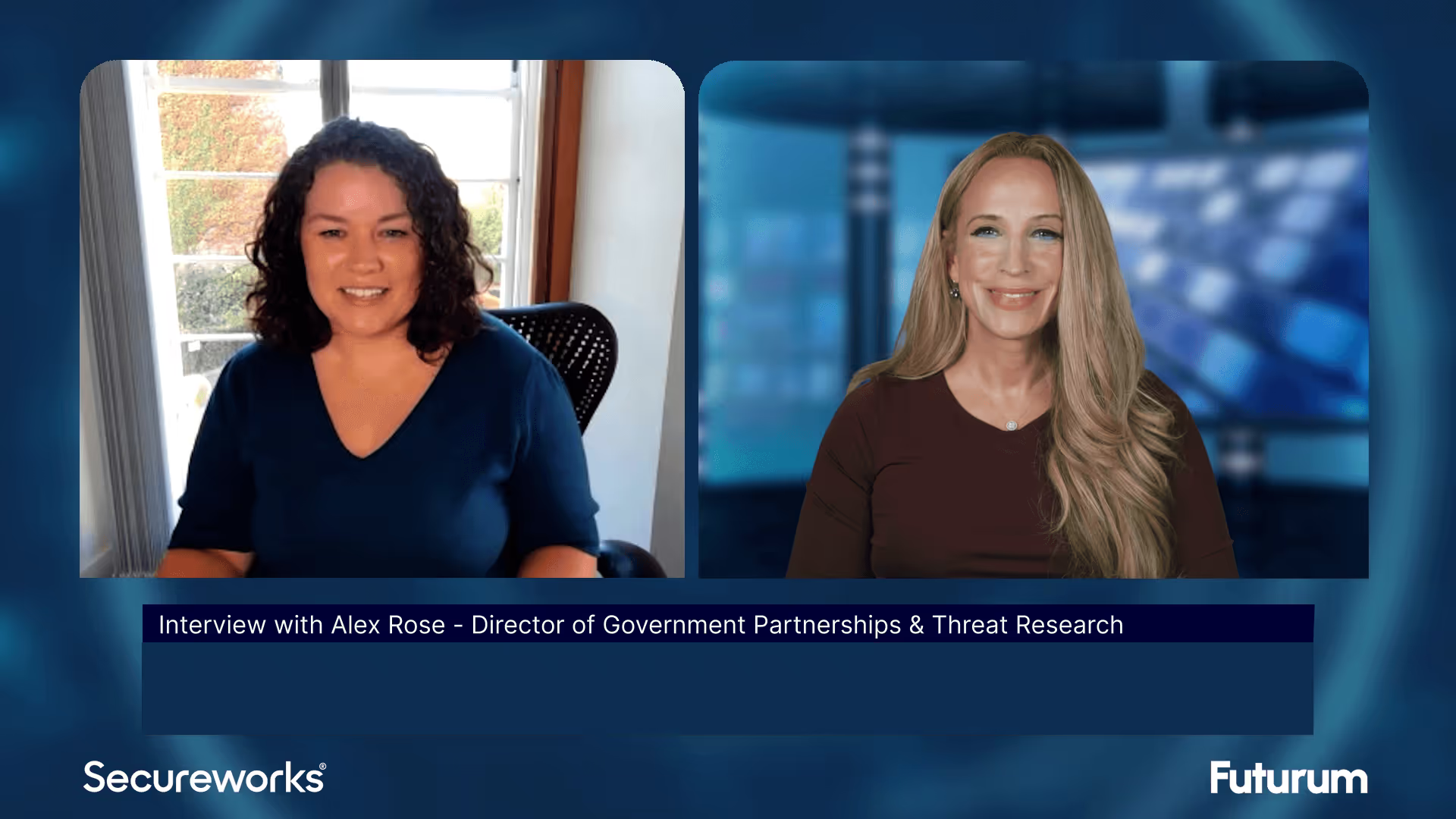
Threat Intelligence: Insights on Cybersecurity from Secureworks
Alex Rose from Secureworks joins Shira Rubinoff on the Cybersphere to share his insights on the critical role of threat intelligence in modern cybersecurity efforts, underscoring the importance of proactive, intelligence-driven defense mechanisms.

HP Launches World’s First Business PCs to Protect Against Quantum Hacks - The Six Five On the Road
On this episode of the Six Five - On the Road, hosts Patrick Moorhead and Daniel Newman are joined by HP's Ian Pratt, Global Head of Security for Personal Systems.
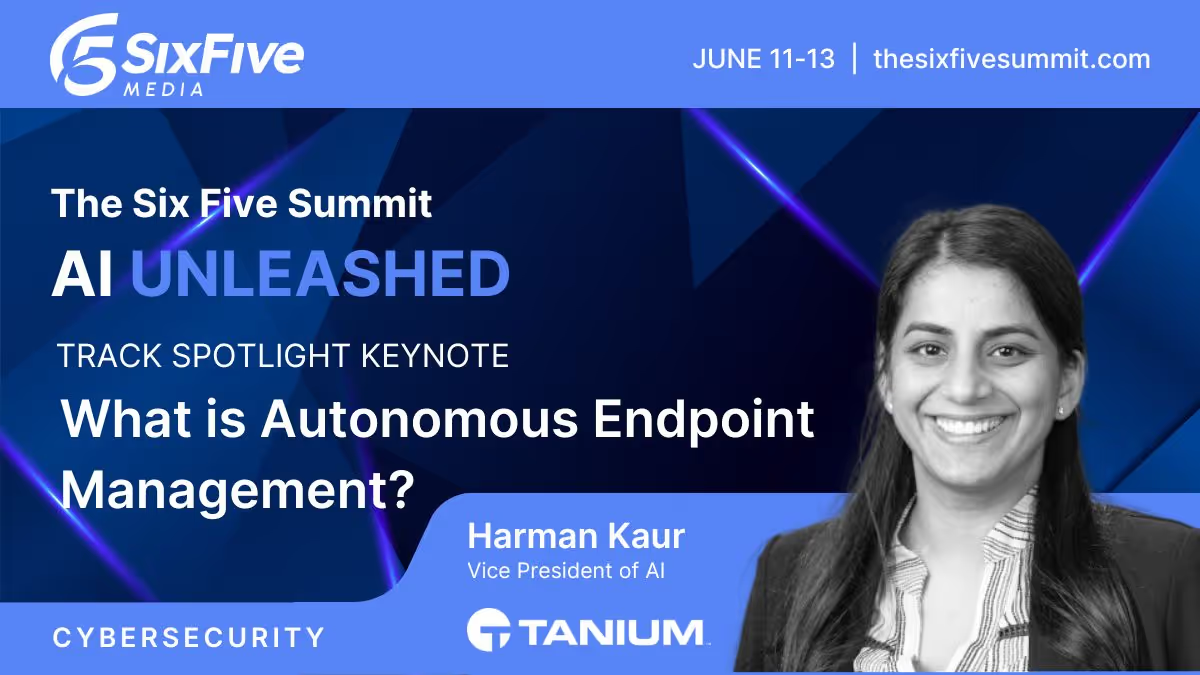
What is Autonomous Endpoint Management?
Autonomous Endpoint Management is a framework designed to unify IT operations and security teams on a single platform through real-time control and visibility.
QUANTUM
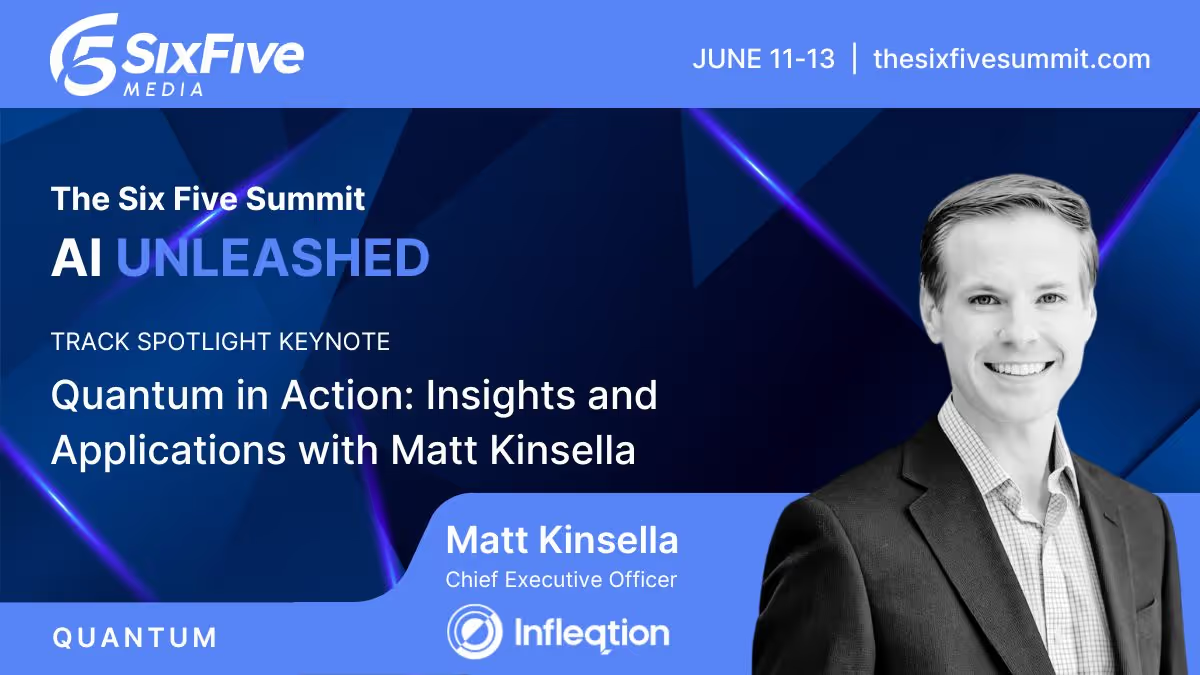
Quantum in Action: Insights and Applications with Matt Kinsella
Quantum is no longer a technology of the future; the quantum opportunity is here now. During this keynote conversation, Infleqtion CEO, Matt Kinsella will explore the latest quantum developments and how organizations can best leverage quantum to their advantage.
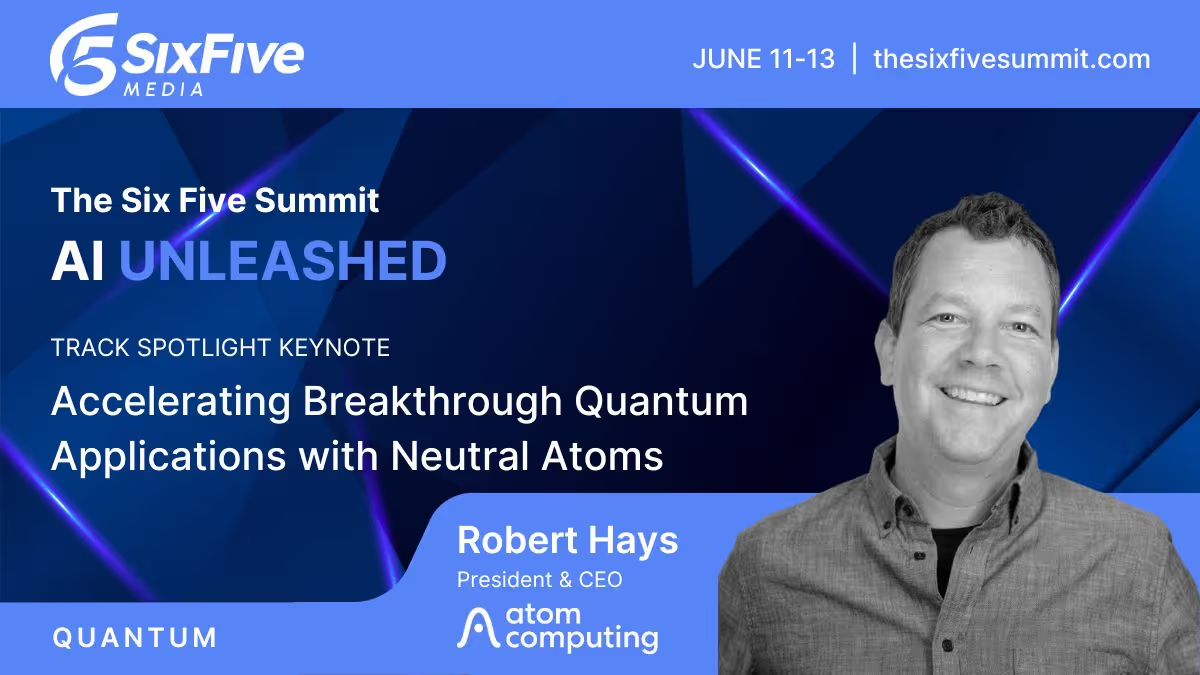
Accelerating Breakthrough Quantum Applications with Neutral Atoms
Our planet needs major breakthroughs for a more sustainable future and quantum computing promises to provide a path to new solutions in a variety of industry segments. This talk will explore what it takes for quantum computers to be able to solve these significant computational challenges, and will show that the timeline to addressing valuable applications may be sooner than previously thought.