All Videos
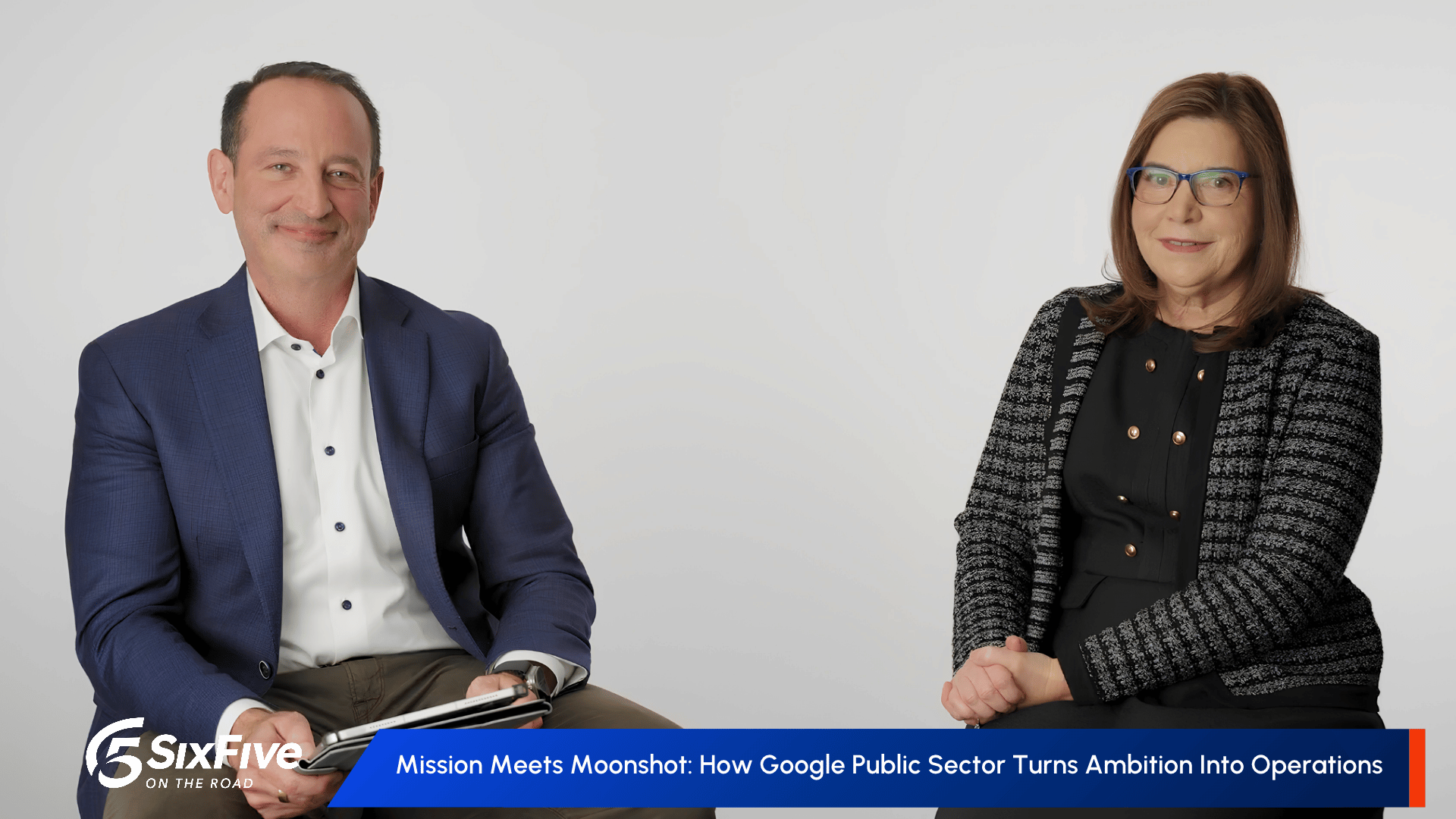
Government Workers Built 500,000 AI Agents in One Department. None of Them Wrote Code.
At the Google Public Sector Summit, Katharyn White explains how agencies are turning moonshot AI goals into daily operations, from Gemini for Government Services to more than 500,000 user-built agents in a single deployment. Agencies that prioritize steady progress and real behavior change can deliver mission impact from day one.


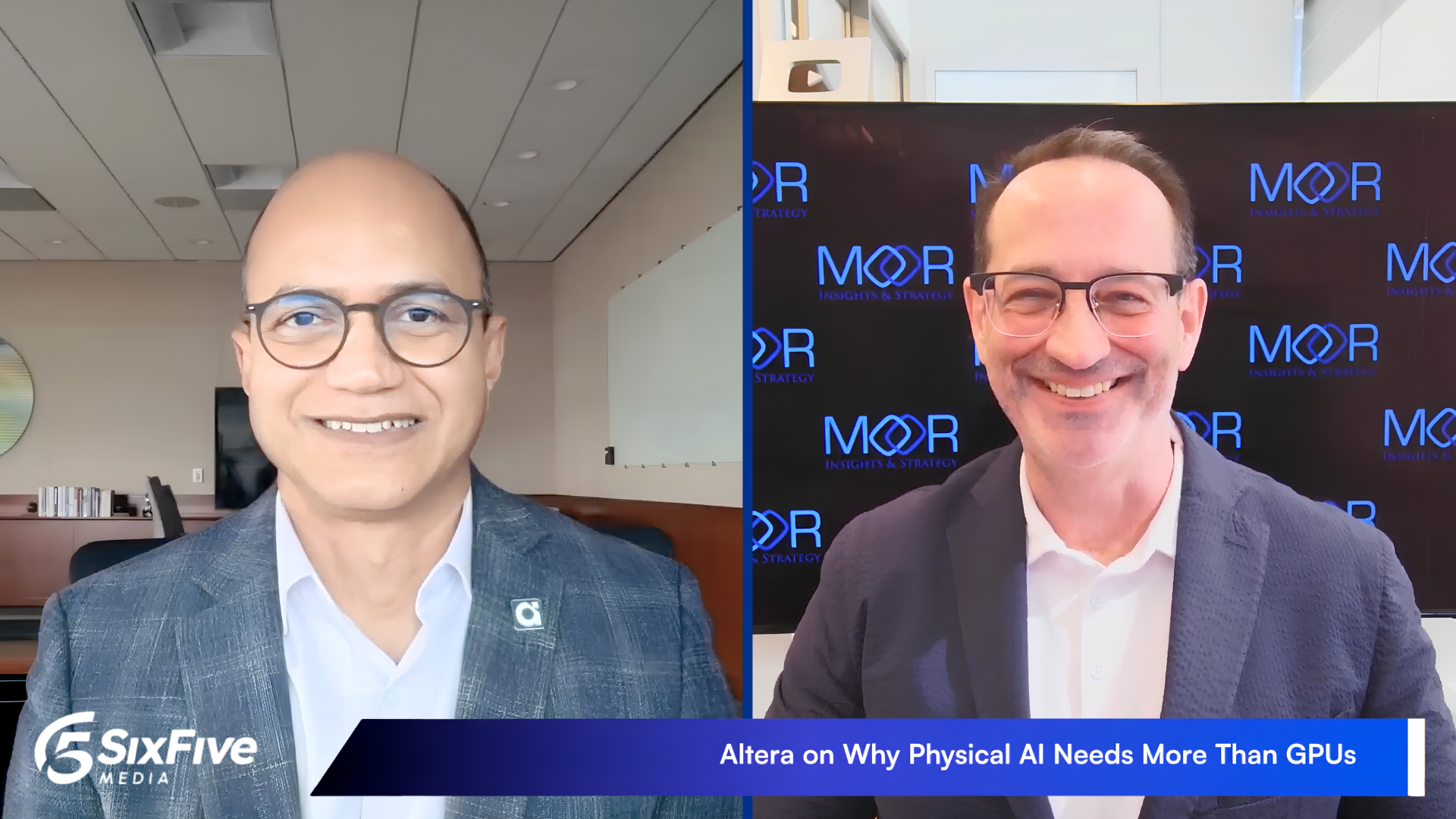
Altera on Why Physical AI Needs More Than GPUs
Altera President and CEO Raghib Hussain explains why FPGAs now operate as programmable companions to CPUs, GPUs, and custom ASICs as AI model churn outpaces silicon design cycles. For infrastructure and physical AI teams, programmable data movement and sensor processing determine how quickly systems adapt after deployment.
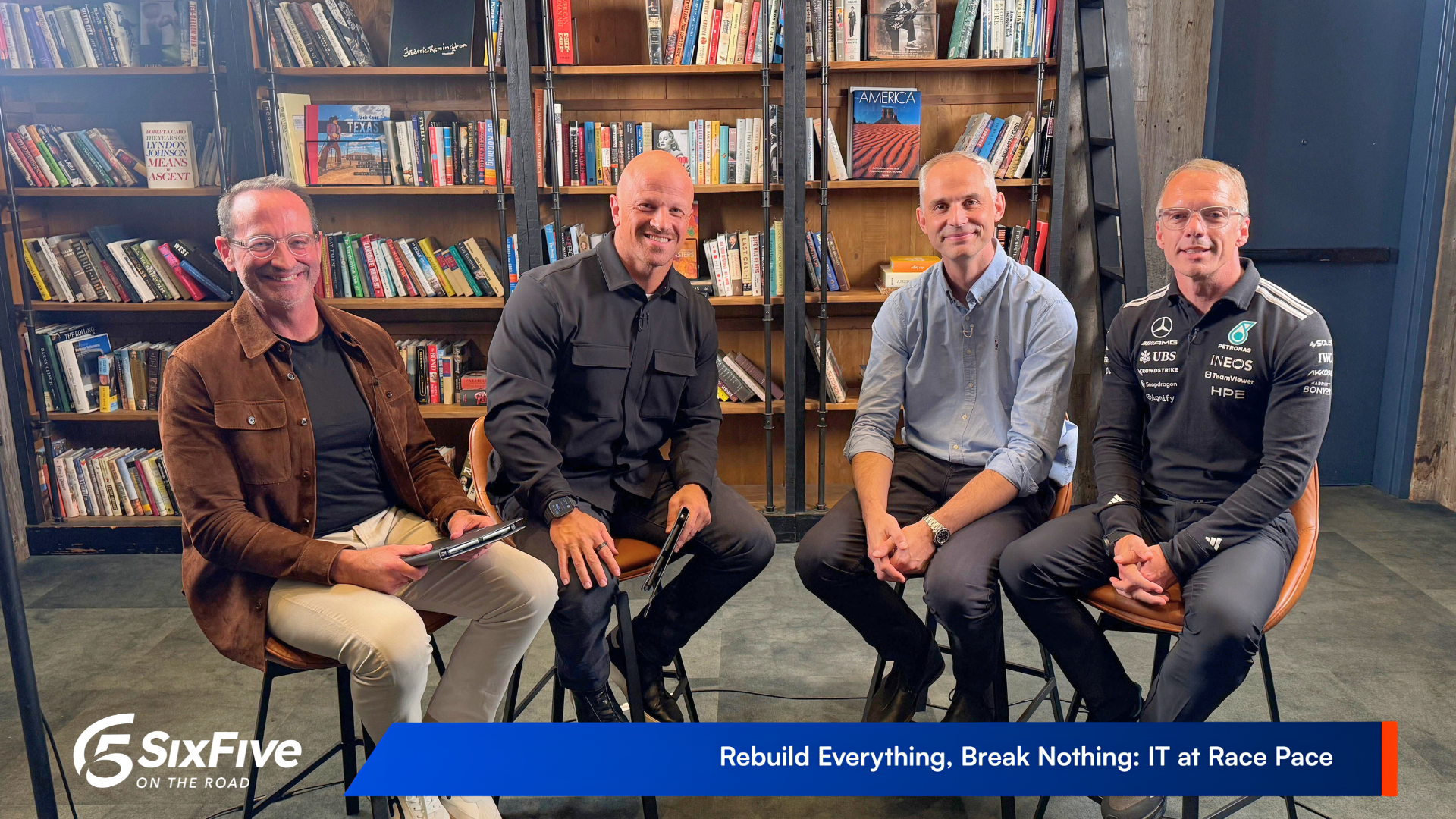
Mercedes F1 Rebuilds Its Data Center 24 Times a Year. Here’s How.
At the F1 U.S. Grand Prix, Mercedes-AMG PETRONAS F1 Team CIO Michael Taylor and HPE’s Max Walker explain how the team rebuilds its IT at every race, self-hosts AI under the FIA cost cap, and cuts simulation time from three days to one. Their partnership shows how resilient infrastructure and iterative AI adoption let organizations move fast without breaking what works.
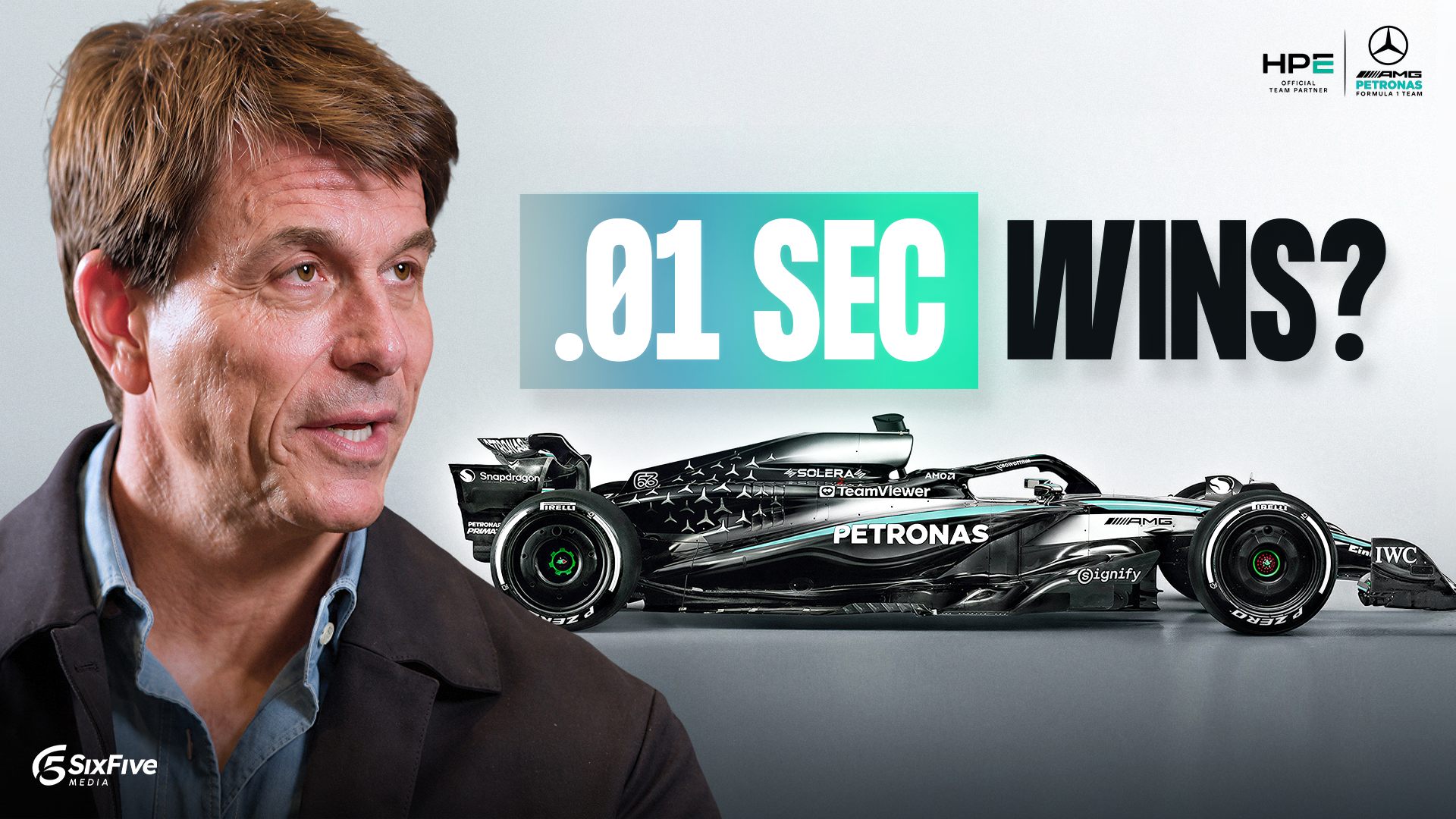
Toto Wolff: What Happens When the Data and the Driver Disagree
At the F1 U.S. Grand Prix, Toto Wolff and Antonio Neri join Patrick Moorhead and Daniel Newman to talk about what happens when the strategy model and the driver disagree, why Wolff’s strategy team wins that argument 99% of the time, and where the cost cap lets Mercedes spend on AI next. Nearly 10 years into the HPE partnership, the lesson for the enterprise is to decide who owns the final call before the pressure hits.
How the Mid-Market Gets Enterprise AI Without a 300-Person IT Org
On this Six Five Virtual Webcast, AWS’s Chris Sullivan explains how partners and AWS Marketplace are helping mid-market companies move agentic AI from proof of concept to production without enterprise-sized IT teams. Starting with a real business problem and the right partner gives these organizations a faster path to measurable results.
Scaling Enterprise AI, Lessons from HPE - Six Five Connected with Diana Blass
On Six Five Connected, Diana Blass explores how HPE is scaling AI across its own business and what agentic AI demands from compute, memory, edge, and networking infrastructure. Enterprises that design infrastructure around their most valuable use cases can turn AI adoption into measurable savings.
Outpacing Threat Actors: Mainframe Security in the Age of AI and Quantum
On The Main Scoop, Vertali's Mark Wilson explains why AI-driven vulnerability discovery and looming post-quantum deadlines are forcing mainframe teams to rebuild their maintenance cycles. Teams that combine AI-assisted vigilance with security fundamentals and early cryptographic inventories will stay ahead of threat actors.
When Sovereign AI Becomes an Enterprise Problem, Not Just a Policy One
NetApp’s Adam Gale explains why sovereign AI now depends on moving complete services quickly while preserving control and security. For enterprises facing regulatory and geopolitical shifts, portability has to be built into the data platform before a crisis forces the move.
Meta and Google Rejoin the Frontier, Microsoft’s Maia 300, and the AI Credit Scare | The Six Five Pod Ep. 324
On Episode 324 of The Six Five Pod, Patrick Moorhead and Daniel Newman unpack the biggest stories from the week, including new agent models from Meta, Google, and NVIDIA, Microsoft's Maia 300, Applied Materials' EPIC Center, AMD, NVIDIA, and Cisco at OCP Global Summit 2026, and the Apple-Meta Muse Spark Open partnership, plus a Flip debate on whether AI leaderboards serve vendors more than enterprise buyers. Plus, Bulls & Bears covers the CPI and PPI shock that rattled the AI trade, Anthropic's investor event, ASML's record quarter, and TSMC's earnings results.