IBM Orchestrators

The Orchestrators Ep. 1: Why Enterprise AI Needs a Conductor
Mohamad Ali, SVP and Head of IBM Consulting, joins Daniel Newman to discuss how AI is transforming enterprise workflows, why consulting is becoming software, and what it takes to operationalize agentic AI at scale.


.png)
The Orchestrators Ep. 2: Why AI Winners Start with Trusted Data
As enterprises move from AI experimentation to execution, data is emerging as the primary constraint on scale. Fragmented systems, unclear ownership, and weak governance are limiting outcomes.
This conversation explores why AI success depends on data discipline, orchestration, and treating data as a core enterprise asset.

The Orchestrators Ep. 3: Launching a Digital-Native Airline with Riyadh Air
Abe Dev, Vice President, Digital and Innovation at Riyadh Air, describes building a digital-native airline as "liberating" and "a bit terrifying" at once: no legacy systems to migrate off of, but also no working example to check decisions against. Daniel Newman gets into how orchestration became the discipline that replaced that missing benchmark.
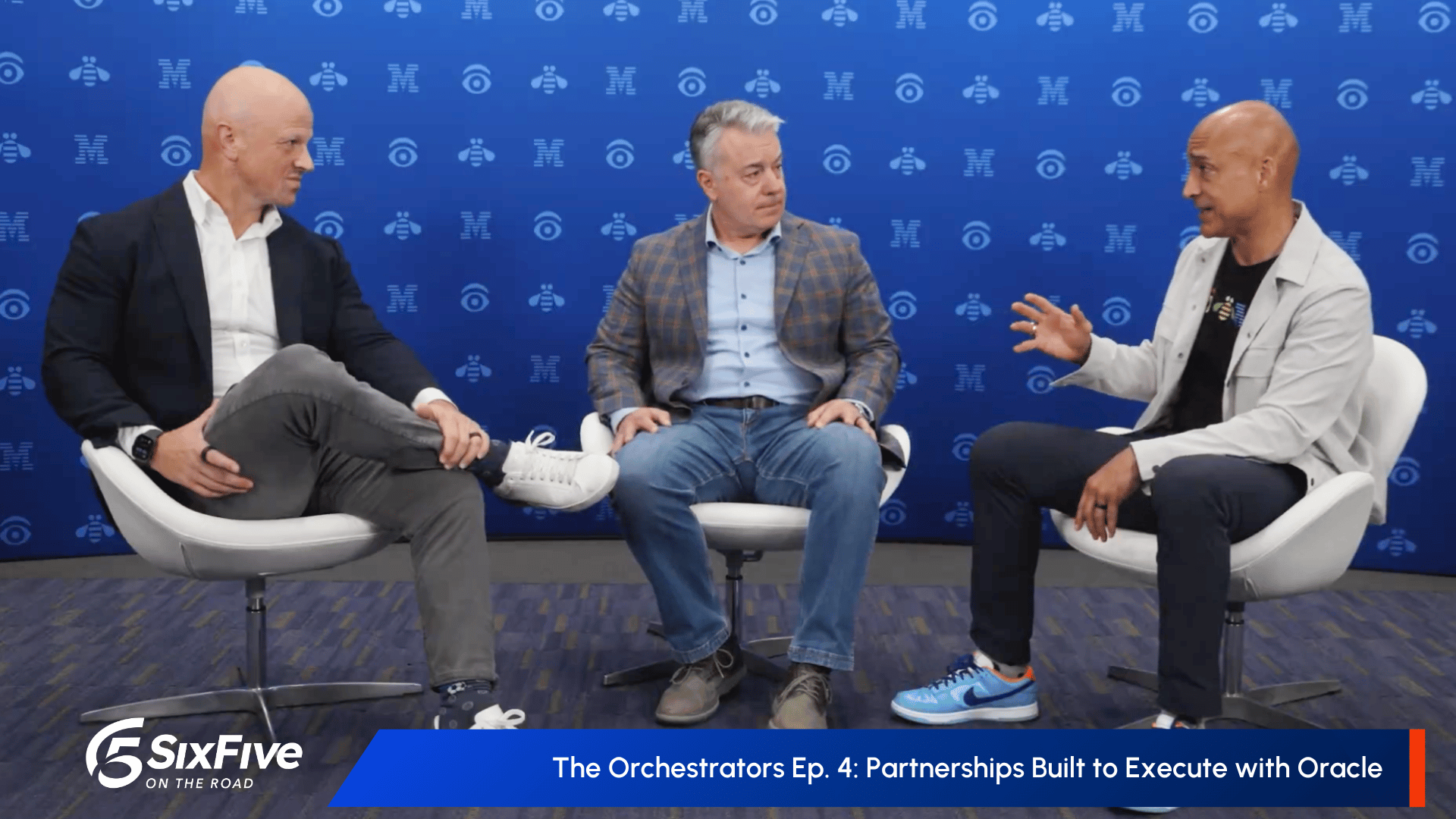
The Orchestrators Ep. 4: Partnerships Built to Execute with Oracle
Jason Kelley, GM and Managing Partner at IBM Consulting, and Tim Hatton, Vice President of Global Strategic Alliances at Oracle, tell Daniel Newman what it actually takes to make a multi-vendor AI partnership work: reward sharing, built-in failure prevention, and agreement on the outcome before any partner is assigned a role.

The Orchestrators Ep. 5: From Modernization to Outcomes with Nestlé
Nestlé's SAP modernization consolidated its global platform — but exposed that technology upgrades alone do not resolve accountability gaps, integration overhead, or execution speed. In this Six Five Virtual Webcast with IBM, David Mullen, Head of Strategic IT Sourcing at Nestlé, details how the company rebuilt its operating model around a vertically integrated delivery structure, outcome-based commercial agreements, and a single prime integrator — redefining what enterprise IT sourcing looks like at 200-country scale
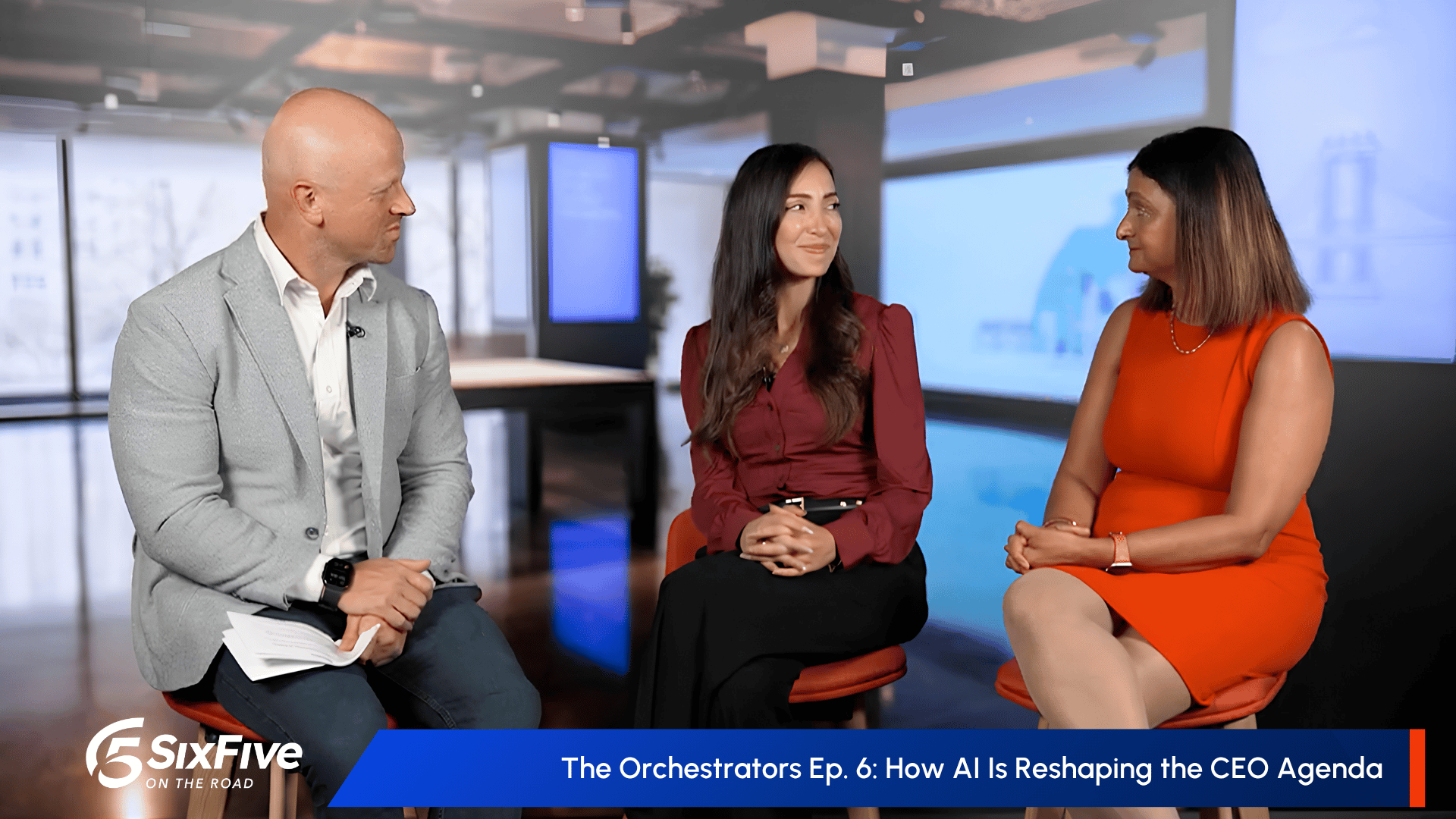
The Orchestrators Ep. 6: How AI Is Reshaping the CEO Agenda
79% of executives expect AI to significantly contribute to their revenue by 2030. Only 24% know what those revenue streams will actually be. Salima Lin, Managing Partner at IBM Consulting, and Dalia Tarabay, EVP of Corporate Strategy at IBM, tell Daniel Newman why that gap, not the technology itself, is what's holding most CEOs back from turning AI into real strategic advantage.