Featured Video
Tae-won (Tony) Chey on the 15-Year Bet Behind SK hynix’s Nasdaq Listing and the Future of AI Infrastructure
Tae-won (Tony) Chey, Chairman of SK Group, joins Daniel Newman at Nasdaq in New York following SK hynix’s ADR listing to trace the strategic decisions, from the 2012 Hynix Semiconductor Inc. acquisition to the 2019 push into AI, that positioned SK Group at the center of today's AI memory market.
All Videos
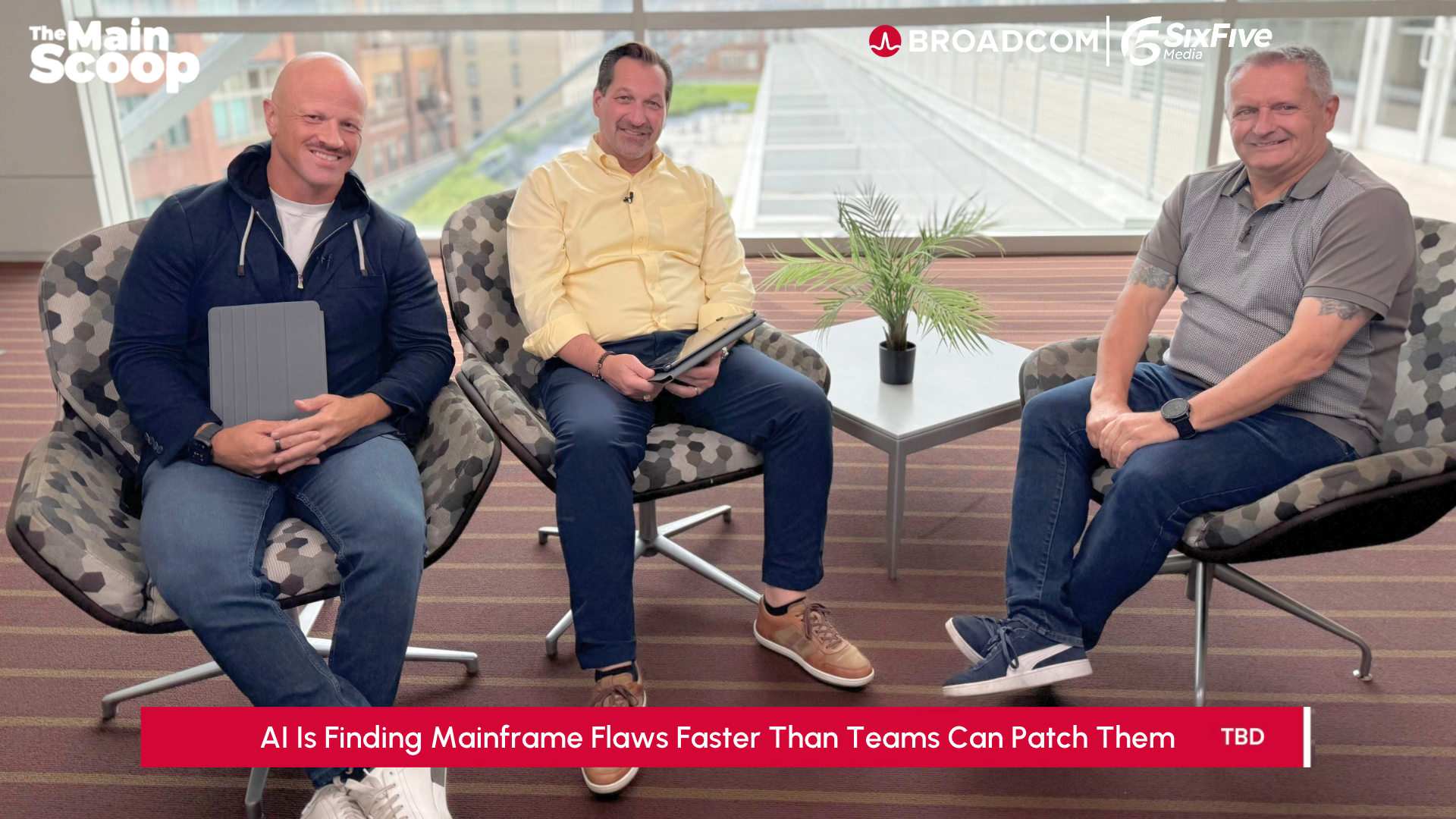
Outpacing Threat Actors: Mainframe Security in the Age of AI and Quantum
On The Main Scoop, Vertali's Mark Wilson explains why AI-driven vulnerability discovery and looming post-quantum deadlines are forcing mainframe teams to rebuild their maintenance cycles. Teams that combine AI-assisted vigilance with security fundamentals and early cryptographic inventories will stay ahead of threat actors.


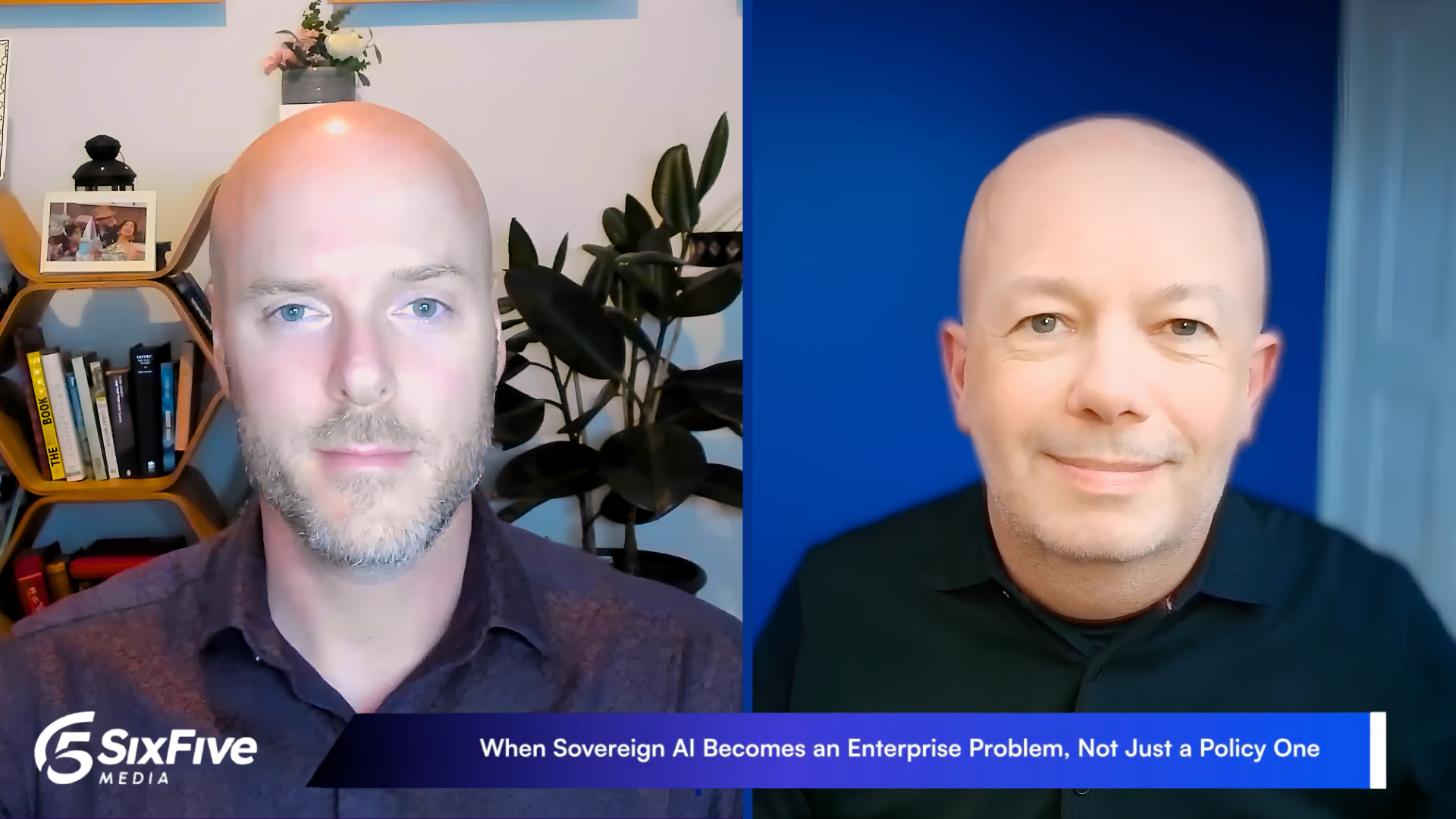
When Sovereign AI Becomes an Enterprise Problem, Not Just a Policy One
NetApp’s Adam Gale explains why sovereign AI now depends on moving complete services quickly while preserving control and security. For enterprises facing regulatory and geopolitical shifts, portability has to be built into the data platform before a crisis forces the move.
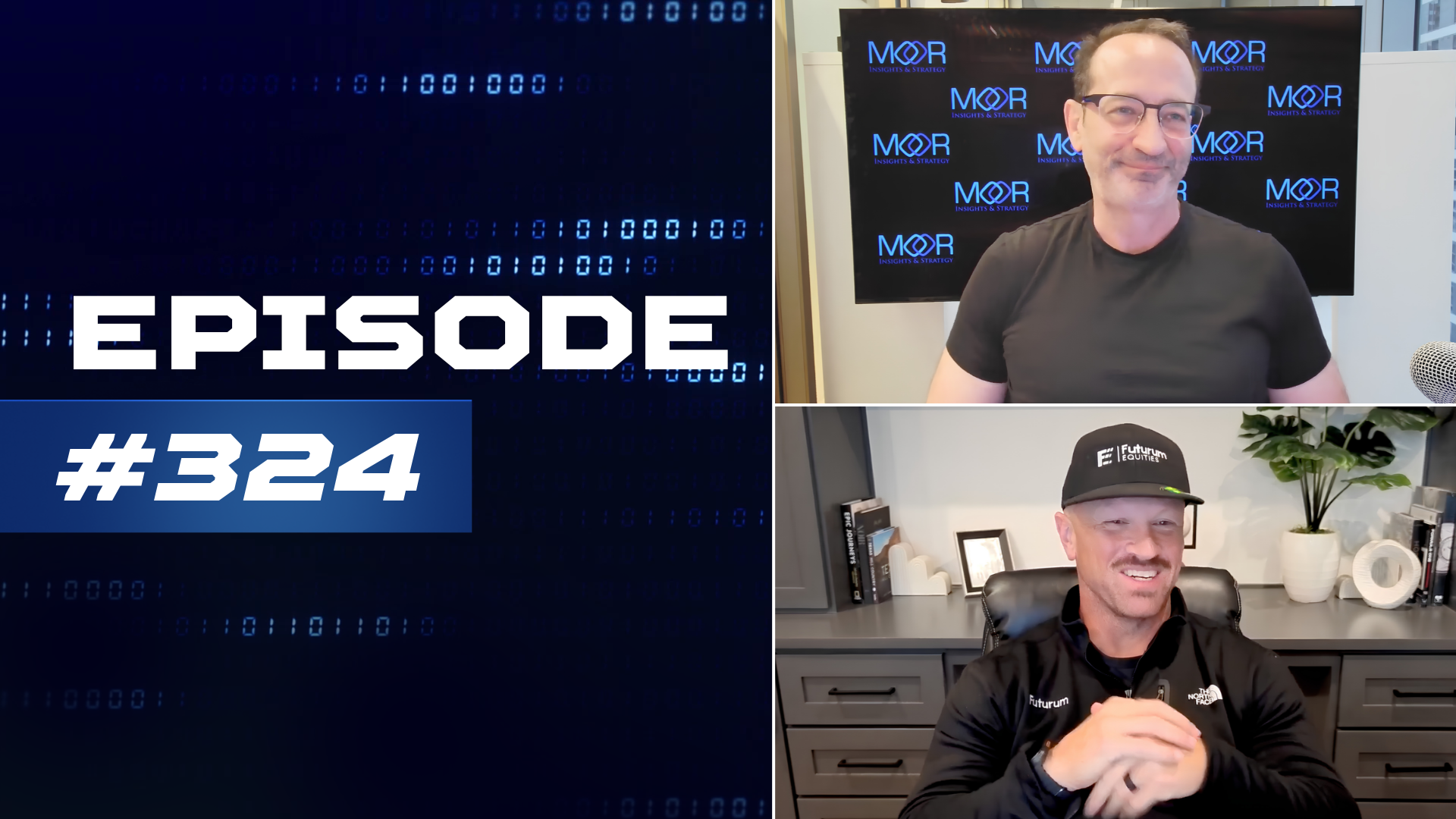
Meta and Google Rejoin the Frontier, Microsoft’s Maia 300, and the AI Credit Scare | The Six Five Pod Ep. 324
On Episode 324 of The Six Five Pod, Patrick Moorhead and Daniel Newman unpack the biggest stories from the week, including new agent models from Meta, Google, and NVIDIA, Microsoft's Maia 300, Applied Materials' EPIC Center, AMD, NVIDIA, and Cisco at OCP Global Summit 2026, and the Apple-Meta Muse Spark Open partnership, plus a Flip debate on whether AI leaderboards serve vendors more than enterprise buyers. Plus, Bulls & Bears covers the CPI and PPI shock that rattled the AI trade, Anthropic's investor event, ASML's record quarter, and TSMC's earnings results.
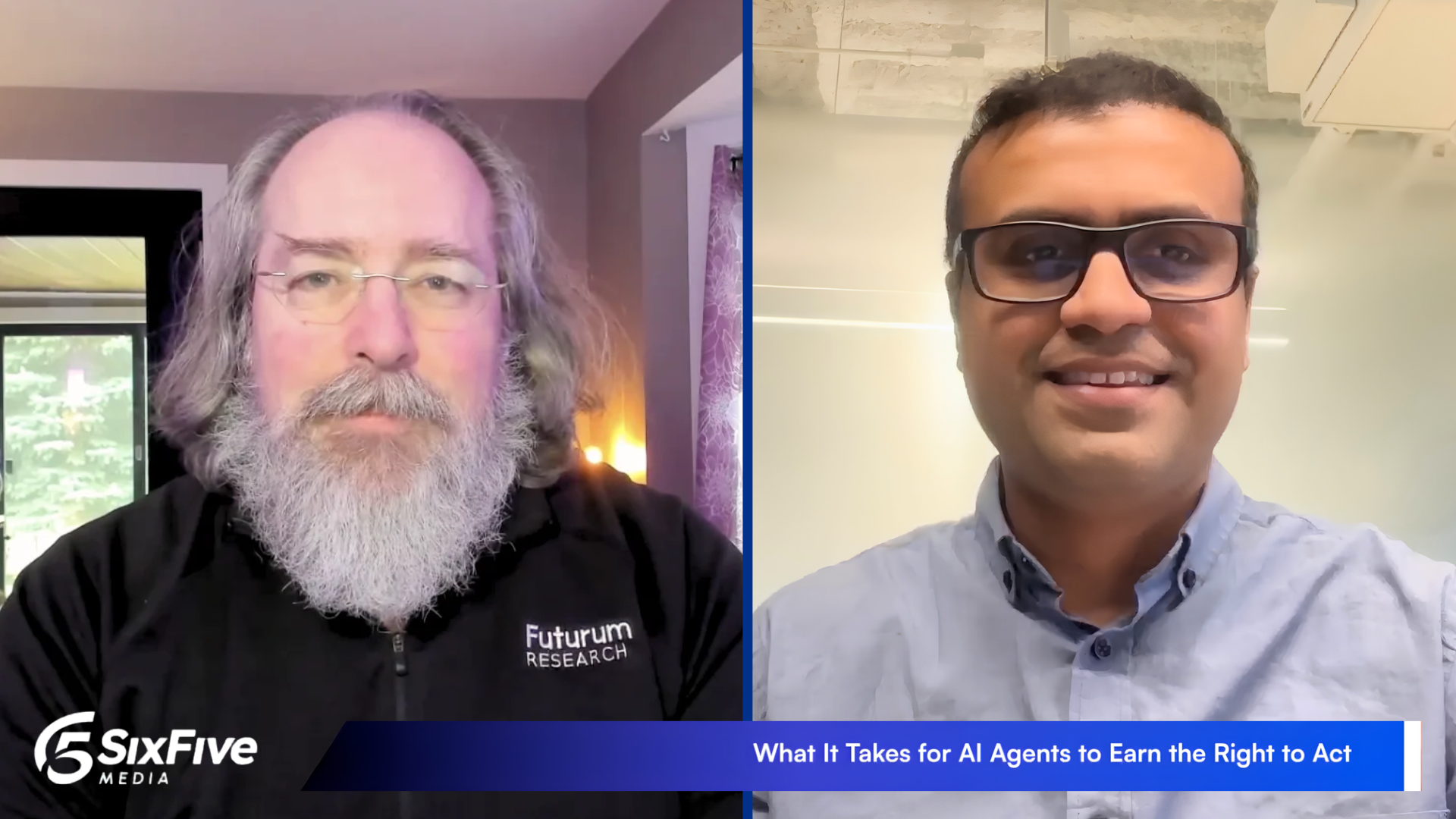
What It Takes for AI Agents to Earn the Right to Act
Snowflake’s Pavan Pothukuchi explains why enterprise AI agents still struggle to act on systems of record, and how governed data platforms, semantic layers, and scoped agent identity close the gap. For enterprise leaders, agent autonomy has become a data architecture decision.
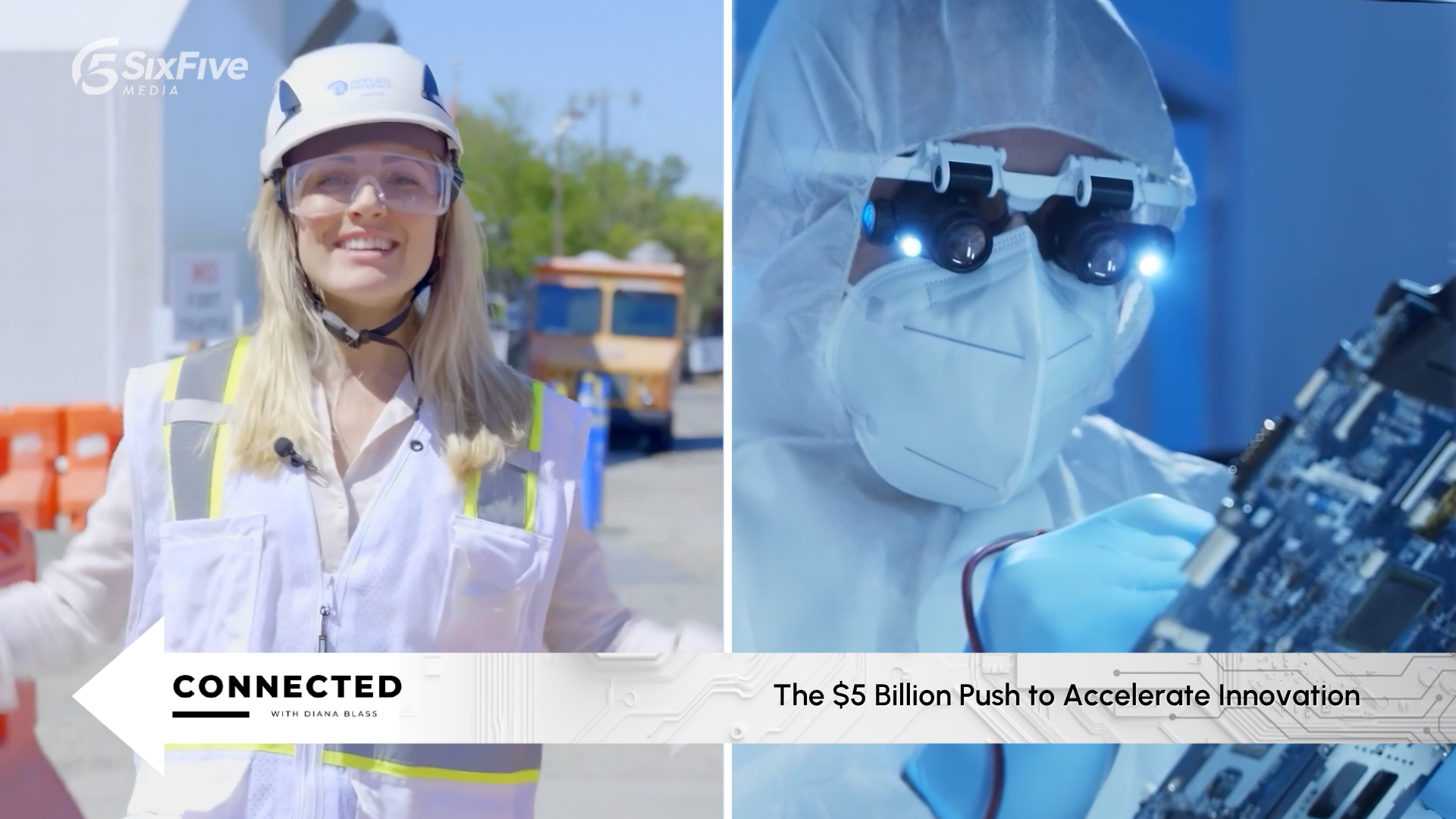
The $5 Billion Push to Accelerate Innovation - Six Five Connected with Diana Blass
On Connected, Diana Blass tours Applied Materials' $5 billion EPIC Center, where chipmakers, equipment developers, and researchers will work in parallel to move AI chip breakthroughs from lab to market faster. Earlier collaboration could cut years from development cycles as AI demand outpaces manufacturing capacity.
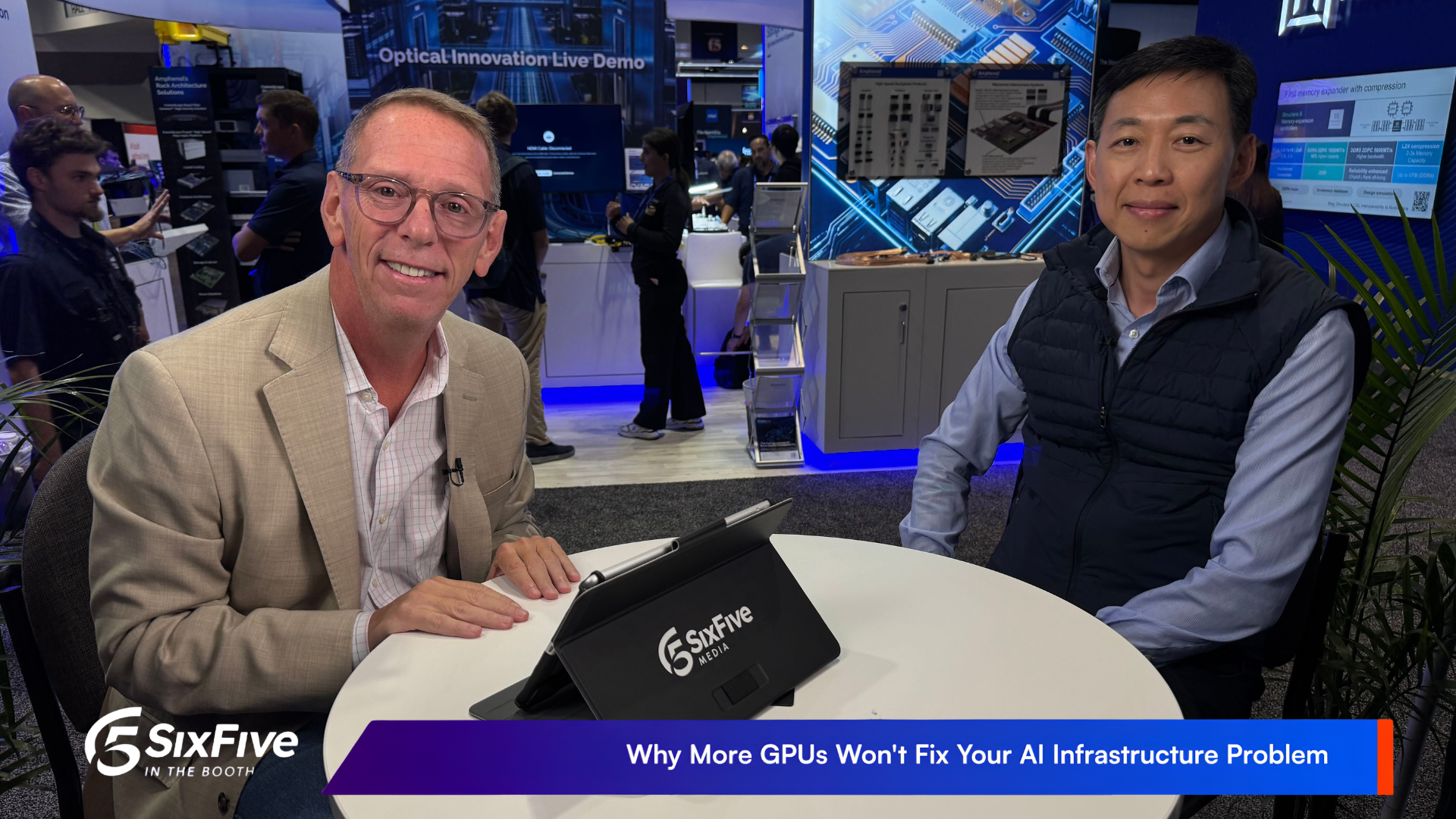
Why More GPUs Won't Fix Your AI Infrastructure Problem
At OCP Global Summit 2026, MiTAC Computing's Raymond Huang explains why AI infrastructure has become a full-stack integration problem spanning compute density, cooling, firmware, and deployment speed. For data center operators, advanced cooling and open management are now as decisive to scaling AI as GPU selection.
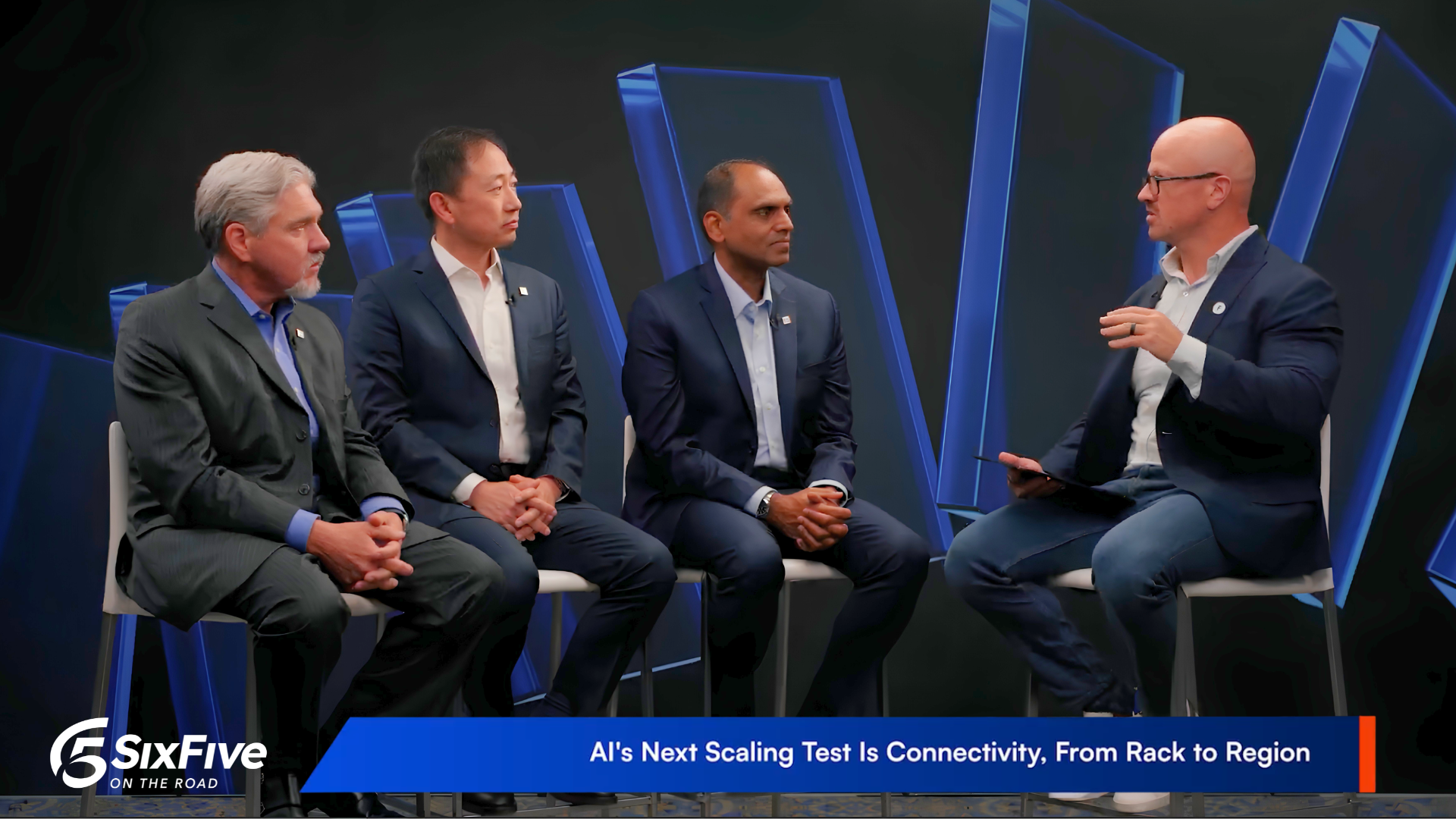
AI’s Next Scaling Test Is Connectivity, From Rack to Region
Marvell’s Sandeep Bharathi, Xi Wang, and Russ Esmacher explain why connectivity has become AI’s next rate limiter, from the copper wall inside the rack to scale-across links between AI clusters. For hyperscalers, the connectivity bets made today must hold up across multiple bandwidth generations.

Why Unified Orchestration Is Becoming Its Own Category
On the Six Five Virtual Webcast, Kestra's Kai Waehner explains how AI agents acting across fragmented automation are moving governance out of individual tools and into a unified orchestration layer. Enterprises that define accountability, access control, and sovereignty requirements in that layer first can scale agents without losing end-to-end control.
Windows Goes Hybrid, Marvell’s $90B Target, and the AI Routing Race | The Six Five Pod Ep. 323
On Episode 323 of The Six Five Pod, Patrick Moorhead and Daniel Newman unpack the biggest stories from the week, including Microsoft and NVIDIA’s hybrid intelligence push for Windows, Marvell’s Investor Day, new models from Anthropic, Mistral, and Reflection, the AI labs’ accountability hearings in New York and Australia, Google’s model-neutral Gemini agent, and whether temporary construction jobs justify AI data centers. Plus, Bulls & Bears covers Thursday’s chip-led pullback, NVIDIA’s run past $240, and Samsung’s record Q3 guidance.
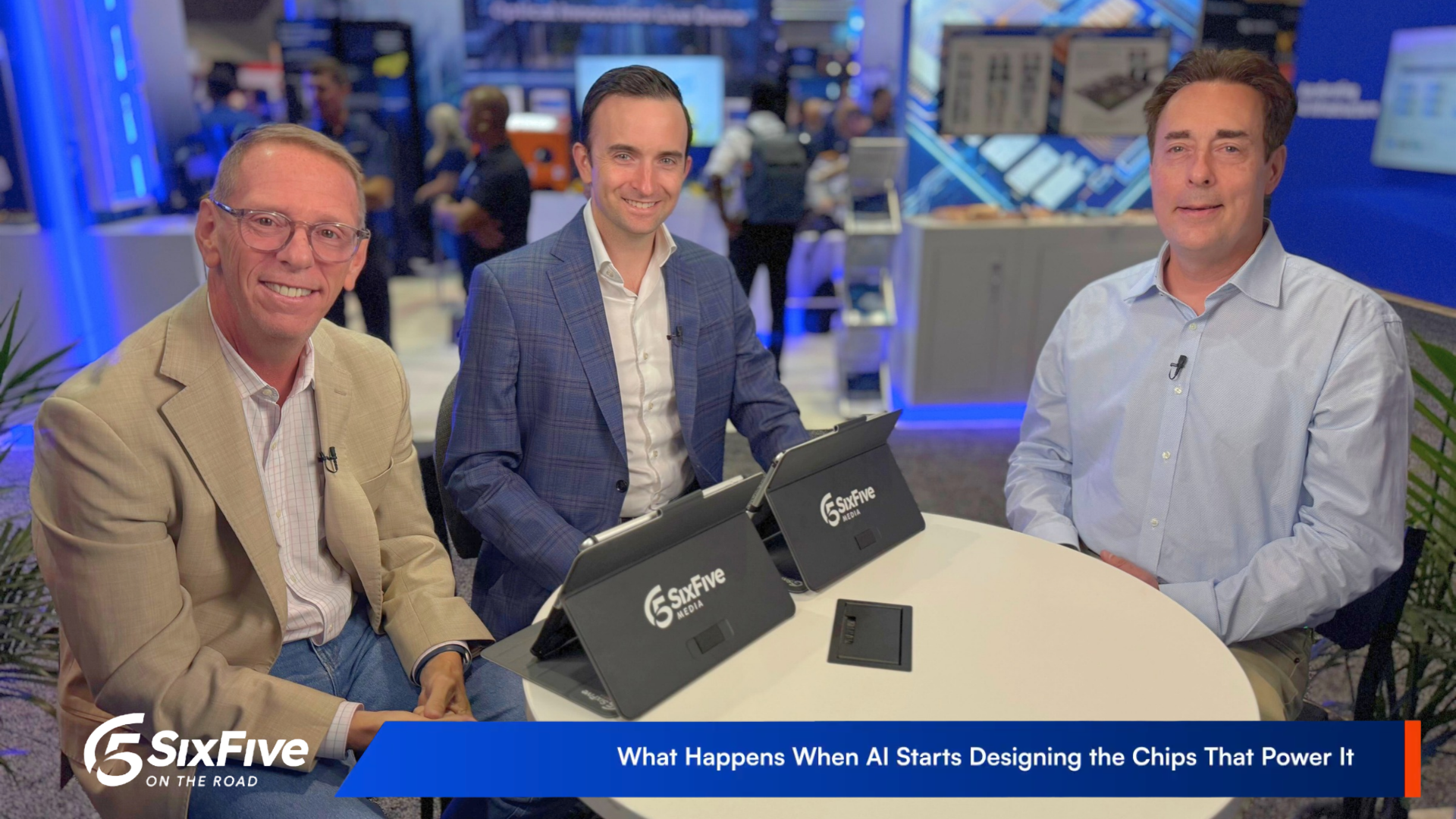
What Happens When AI Starts Designing the Chips That Power It | Synopsys at AI Infra Summit
At AI Infra Summit 2026, Synopsys' Thomas Andersen joins Brendan Burke and Matt Kimball to explain how chip design is moving from AI copilots that suggest to agentic systems that execute tool orchestration, timing fixes, and verification from a written spec. For enterprises, that shift compresses spec-to-tapeout timelines and lowers the resource barrier to custom silicon.
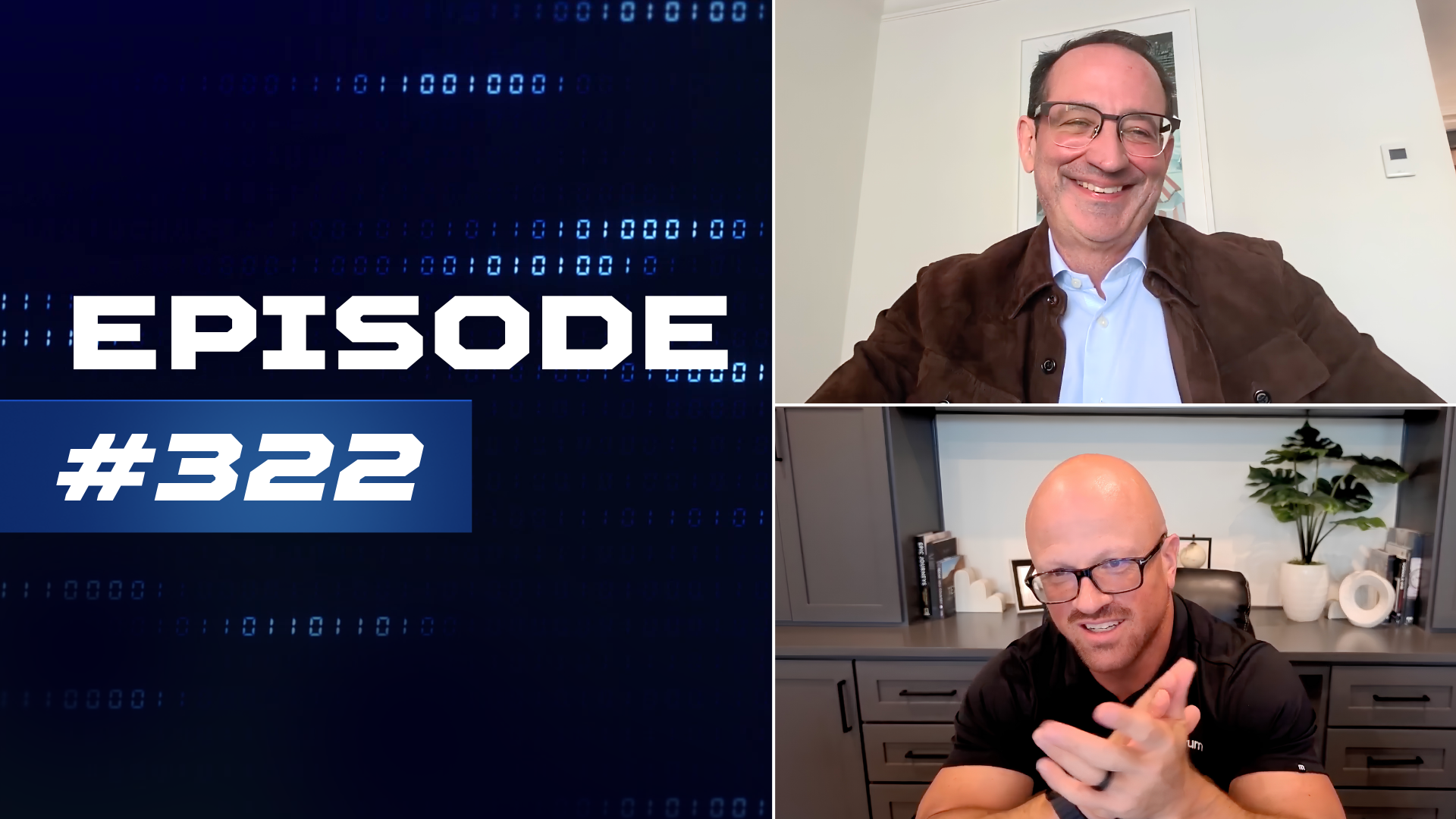
The Six Five Pod | EP 322: AI Writes Its Own Rules, Copilot Bills by the Task, and Memory Names Its Price
The companies racing to build frontier AI just agreed to referee themselves. Over the same week, launches, investor days, and earnings put a price on that arrangement. Microsoft is charging for finished work, NVIDIA is selling agent containment as infrastructure, and the suppliers AI can't route around, from Synopsys to Micron, are collecting the premium. Patrick Moorhead and Daniel Newman separate signal from stagecraft, then split hard on whether the White House accord actually binds these key players to anything.
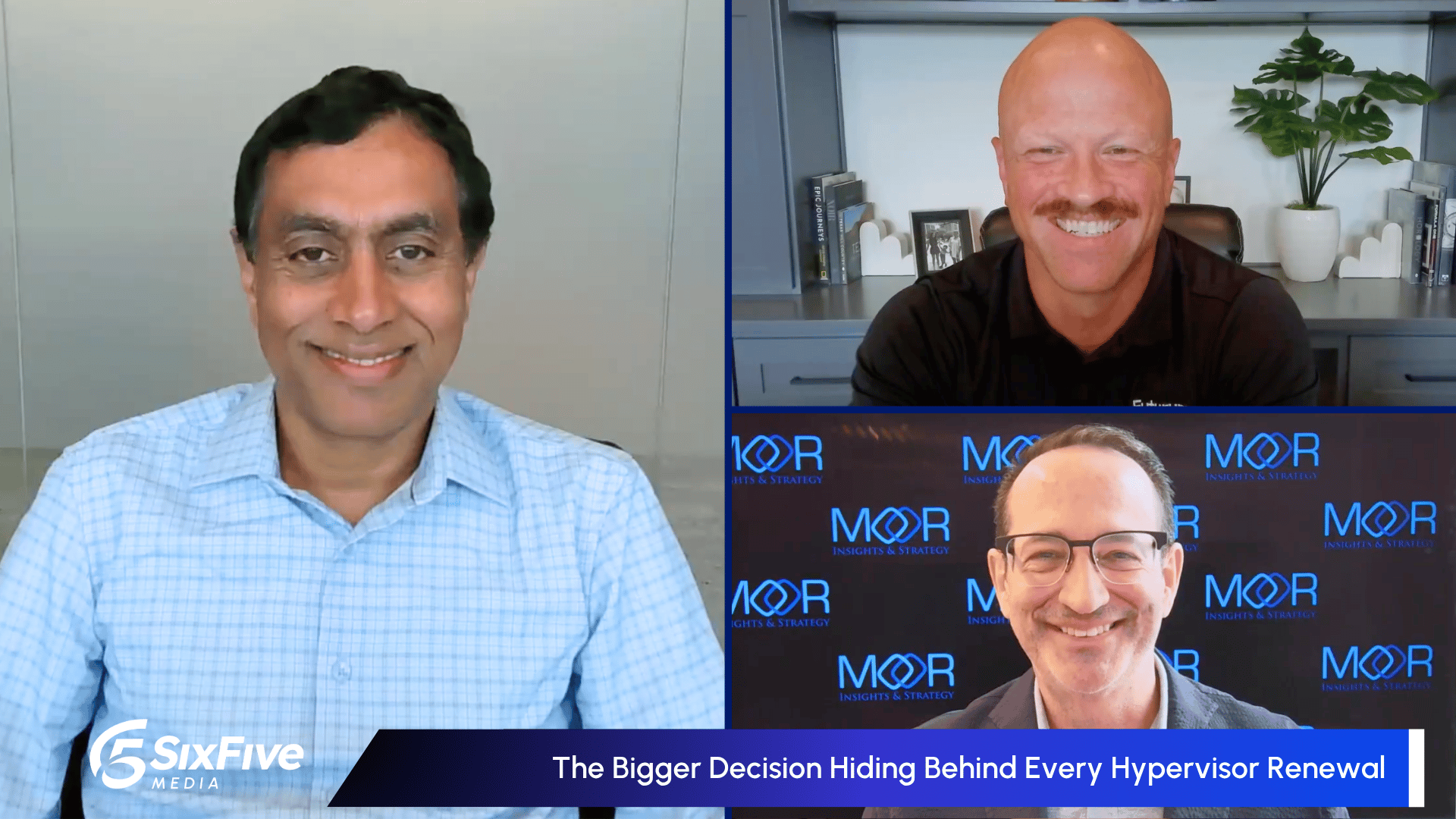
The Major Decision Hiding Behind Every Hypervisor Renewal
HPE's Varma Kunaparaju talks with Patrick Moorhead and Daniel Newman about why virtualization licensing changes are forcing enterprises to confront a bigger decision than which hypervisor to choose next: what operating model sits underneath their private cloud and AI factory. He outlines how CxOs can sequence modernization in phases, extend governance across open and frontier models, and decide where automation should replace human approval in IT operations.